
If you’re planning to get a pet tortoise, you must first analyze whether you can provide them with the right environment where they can thrive and live a healthy life. If you’re not sure whether you can properly care for a pet tortoise, you’ve come to the right place. At Kapidolo Farms, we’ll share important considerations about tortoise ownership. Hopefully, after reading this blog post, you’ll have the knowledge you need to make an informed decision about caring for a pet tortoise.
You might think this blog post is designed to discourage you from getting a pet tortoise, but that’s not our intention. We want you to approach this decision with an open mind and be equipped with all the information you’ll need in case you decide to get a pet tortoise later. Understanding the challenges helps you become a better, more prepared tortoise owner.
Without further ado, here are the important reasons to carefully consider before getting a pet tortoise.
1. Insufficient Space for Proper Housing
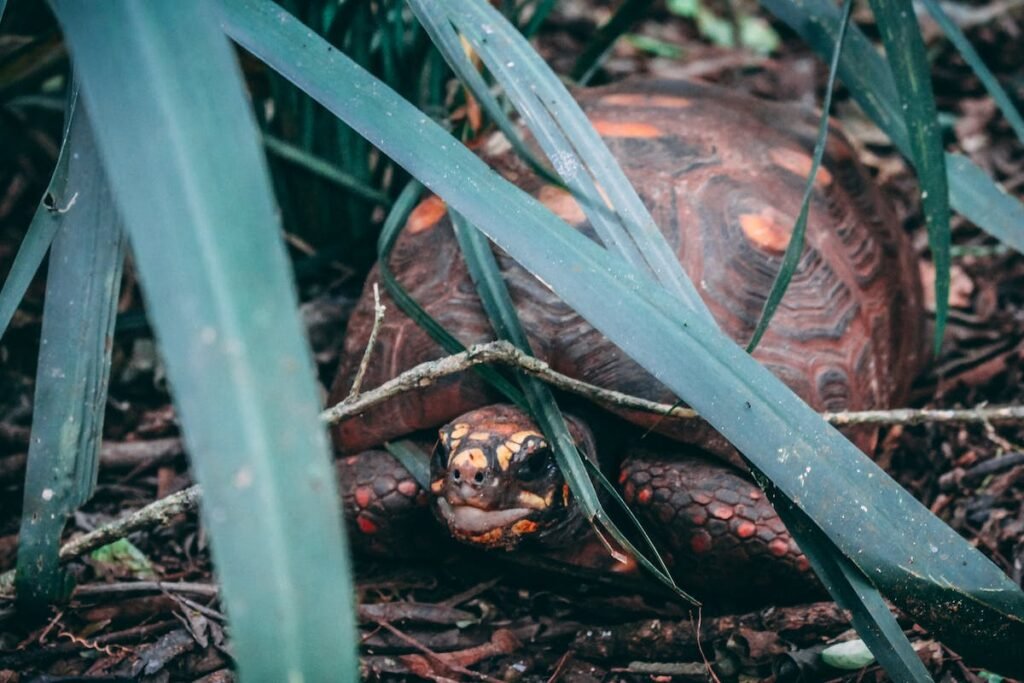
Even a small tortoise needs considerable space to live and thrive in your home. For example, a medium-sized tortoise like a Red Foot or a South American Yellow Foot requires a minimum of 16 square feet (4×4 feet) of space to live comfortably. It’s not advisable to keep them permanently in a small tank enclosure, but it’s also not sustainable for them to roam freely throughout your home without proper boundaries.
Tortoises are active animals that need room to explore, exercise, and exhibit natural behaviors. A cramped living space can lead to stress, health problems, and behavioral issues. As your tortoise grows, its space requirements will increase significantly.
Indoor vs. Outdoor Enclosures
Indoor enclosures require careful planning and significant floor space. Outdoor enclosures, while potentially more spacious, need proper fencing, shelter from weather, and protection from predators. Either option represents a substantial commitment of space in your living environment.
2. Difficulty Maintaining Consistent Proper Temperatures
Tortoises need specific temperatures to thrive, and maintaining the right temperature in an enclosure can be challenging. You must purchase reliable thermometers and heating equipment to ensure your tortoise receives the ideal heat levels consistently.
The ideal temperature for a tortoise depends on its species. You’re required to provide a thermal gradient with a basking spot between 86-90°F and a cool area around 68-77°F.
During nighttime, temperatures vary depending on the species, typically ranging between 60-80°F, although some species may require warmer temperatures. You must provide a cool spot that allows the tortoise to move between temperature zones to regulate its body temperature efficiently.
Temperature Requirements Explained
- The Basking Spot – The warmest area where the tortoise can bask to warm its body. The temperature ranges from 86-90°F or up to 95°F, especially for species like Red Footed or Sulcata tortoises.
- The Cooler Side – The opposite side of the enclosure from the basking spot. The temperature ranges from 68-77°F or slightly higher for some species.
- Nighttime Temperatures – The temperature must not drop too low at night as it can cause serious health problems for your pet tortoise, such as loss of appetite or pneumonia.
Temperatures vary significantly depending on the species. For example, Mediterranean tortoise species don’t require nighttime heating. Sulcata and Leopard tortoises require nighttime temperatures around 61-63°F.
The Hidden Costs
Maintaining these specific temperatures requires expensive heating equipment, backup systems in case of power outages, and significantly higher electricity bills. You’ll need ceramic heat emitters, basking lamps, thermostats, and backup power solutions—all adding to the ongoing cost of tortoise ownership.
3. Inability to Provide a Secure Enclosure
If you’re planning to set up an outdoor enclosure for your pet tortoise, you must ensure it’s a secure and safe place so your tortoise can’t escape and will be protected from predators that may try to harm your pet. A secure enclosure must be carefully designed to prevent the tortoise from climbing out or digging underneath the walls, and to keep predators from getting in.
Indoor enclosures also require security considerations. Tortoises are surprisingly strong and determined escape artists. They can push through weak barriers and are excellent diggers. Other pets in your home, especially dogs and cats, pose potential threats to your tortoise’s safety.
Predator Protection
Outdoor tortoises face threats from raccoons, hawks, ravens, coyotes, and even domestic dogs. Your enclosure must have a secure top cover, walls buried deep into the ground, and potentially electric fencing to keep determined predators away.
4. Overconfidence After Minimal Research
If you’re planning to purchase a pet tortoise, you must thoroughly research everything you need to do to prepare your home. You can’t assume you understand tortoise care after reading just one article or book. You must consult multiple reliable sources to understand the true level of care required for a pet tortoise.
You must provide an enclosure with the right temperature suitable for your specific tortoise species. You must also prepare the appropriate substrate, such as a mix of topsoil and sand, coconut coir, or cypress mulch. Each species has different requirements, and what works for one may harm another.
Ongoing Education is Essential
Tortoise care isn’t something you learn once and never revisit. You’ll need to continually educate yourself as your tortoise grows, as research advances, and as you encounter new challenges. Join tortoise owner forums, consult with experienced keepers, and establish a relationship with a reptile veterinarian.
If you need food, supplies, and diet items for your pet tortoises, you can rely on Kapidolo Farms. We can also help you choose the right species of tortoise for your situation and provide ongoing guidance.
5. The Risk of Illegal Pet Tortoise Trade
You must purchase a pet tortoise from a legal, reputable breeder. You must be careful when purchasing a pet tortoise because you might unknowingly support an illegal operation. You must verify that the species they’re selling aren’t protected from poaching and that they have proper permits. Laws vary by state, but you must check that sellers have permits for importing or possessing specific tortoise species. In the USA, it’s illegal to take wild tortoises from their natural habitat.
Why Keeping Certain Tortoises is Illegal
- Protected or Endangered Species – Many tortoise species are threatened or endangered due to illegal pet trade and poaching from the wild. Keeping or trading these tortoise species contributes to the decline of their populations.
- Permit Requirements – Different countries have wildlife protection laws that require permits to import, possess, or trade tortoises. Violating these laws has serious consequences.
- Capturing from the Wild – It’s illegal to catch and keep wild tortoises. This has harmful effects on local wildlife populations and disrupts ecosystems.
Effects of the Illegal Pet Tortoise Trade
- Biological Risks – Certain tortoise species carry and spread infectious diseases that can affect native wildlife, pets, and even humans.
- Harmful to Animals – Illegal trade and poaching of tortoises are connected to cruel and inhumane conditions that result in the death of many animals during transport.
- Legal Penalties – Violations of wildlife laws can result in expensive fines and imprisonment.
How to Prevent Supporting Illegal Tortoise Trade
- Don’t Buy from Questionable Sources – Never purchase from sellers who can’t provide proper documentation and permits.
- Report Illegal Operations – If you encounter illegal tortoise trade, immediately inform authorities or a wildlife organization.
- Adopt Don’t Shop – Check local animal shelters or rescue groups where you can adopt a pet tortoise that needs a home.
- Leave Wild Tortoises Alone – If you encounter a tortoise in the wild, let it be. Don’t approach, capture, or touch it.
- Educate Yourself – Before owning a pet tortoise, research laws regarding keeping tortoises in your area.
6. Disease Transmission Risks
Tortoises can carry salmonella and herpes viruses. If you’re handling your pet tortoise, you must always wash your hands thoroughly afterward. Don’t let small children handle tortoises because they’re prone to touching their faces or putting their fingers in their mouths without washing their hands first.
Salmonella can cause serious illness in humans, particularly in young children, elderly people, and those with compromised immune systems. Even healthy-appearing tortoises can carry and shed these bacteria.
Safe Handling Practices
- Always wash hands – Use soap and warm water for at least 20 seconds after handling your tortoise or anything in its enclosure.
- Designated equipment – Use separate cleaning tools for tortoise enclosures that aren’t used elsewhere in your home.
- Keep tortoises away from food areas – Never allow tortoises in kitchens or dining areas.
- Supervise children – Always supervise young children around tortoises and ensure proper handwashing.
7. Complex Dietary Requirements

Tortoises must be given the right diet to thrive. You can’t just grab lettuce from your refrigerator and assume it’s appropriate food for your pet tortoise. Each species requires a varied, species-specific diet. You must research the specific foods that should be given to your particular tortoise species.
Don’t rely solely on commercial pellets from pet stores. Your pet tortoise needs clean, fresh food to live a healthy life. Most tortoises require a diet primarily consisting of leafy greens, grasses, and certain vegetables. Some species need calcium and vitamin supplements. Others require occasional protein sources.
Common Dietary Mistakes
- Feeding the wrong foods – Many common vegetables are actually harmful to tortoises.
- Overfeeding protein – Most tortoises are herbivores and too much protein causes shell deformities.
- Lack of variety – Tortoises need diverse diets to get all necessary nutrients.
- Incorrect calcium ratio – Improper calcium-to-phosphorus ratios lead to metabolic bone disease.
Feeding your tortoise properly requires ongoing research, fresh food preparation, and potentially growing your own tortoise-safe plants.
8. Compatibility with Other Pets
If you have dogs and cats that might view your pet tortoise as prey, you must keep your tortoise away from them. The enclosure must be extremely secure so other pets can’t access your tortoise. Even well-behaved pets can accidentally injure a tortoise through play or curiosity.
Dogs, in particular, can inflict serious or fatal injuries to tortoises. Even if your dog seems gentle, their natural curiosity or prey drive can kick in unexpectedly. Cats can also pose threats, especially to smaller tortoises.
Managing Multi-Pet Households
If you already have other pets, carefully consider whether adding a tortoise is wise. You’ll need separate, secure spaces and must never leave your tortoise unsupervised when other pets are nearby. The stress of constantly managing pet interactions adds another layer of complexity to tortoise ownership.
The Bottom Line: Are You Really Ready?
Owning a tortoise is a decades-long commitment that requires significant space, money, time, and dedication. Tortoises can live 50-100 years depending on the species. This isn’t a pet you can easily rehome if circumstances change.
Before getting a tortoise, honestly assess your situation:
- Do you have adequate space now and in the foreseeable future?
- Can you afford the setup costs (often $500-2000) and ongoing expenses?
- Are you prepared to provide daily care for potentially the rest of your life?
- Do you have access to a reptile veterinarian?
- Can you maintain proper temperatures year-round?
- Are you willing to continually educate yourself about proper care?
If you answered “no” or “maybe” to any of these questions, reconsider whether now is the right time for tortoise ownership. There’s no shame in deciding that tortoises aren’t right for your situation. This decision shows maturity and respect for these amazing animals.
However, if you’re truly prepared for the commitment, tortoises make wonderful pets. They’re fascinating creatures with distinct personalities that can bring joy for decades.
Do you want a pet tortoise? Check out Kapidolo Farms. We offer pet tortoises, food, diet items, and supplies. We ship to various parts of the USA. If you have inquiries regarding pet tortoise care, call us at 215-483-7675 or send an email to kapidolofarms@gmail.com. Choose a trustworthy shop for pet tortoises like Kapidolo Farms. Contact us today!