
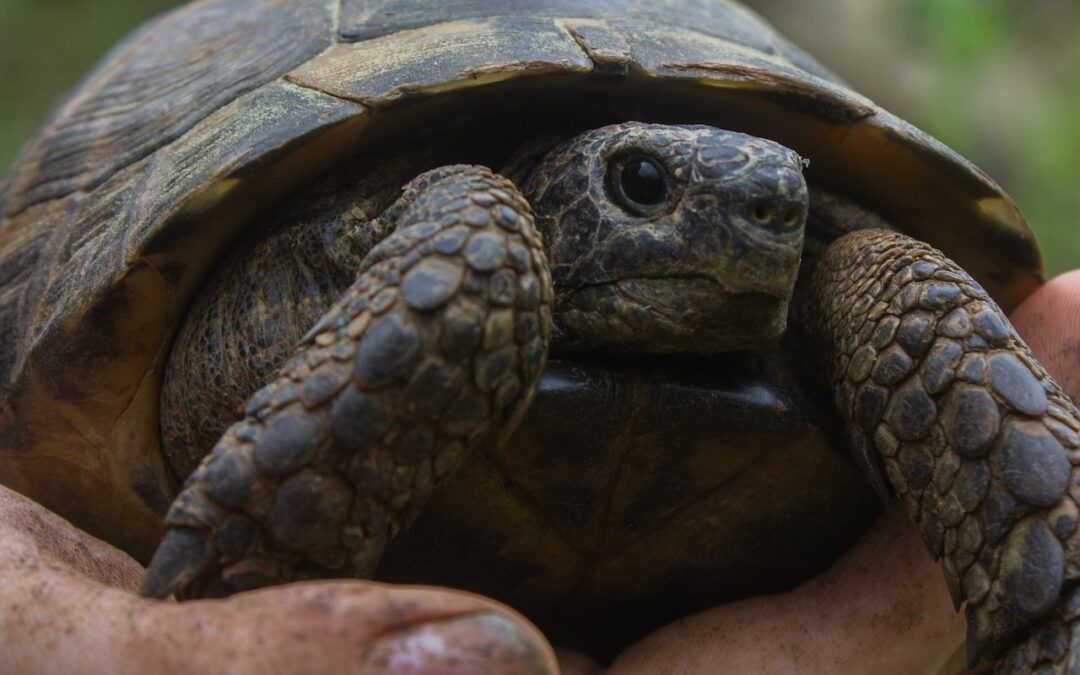
Showing weakness in nature invites predators, so your tortoise will naturally try to hide their discomfort for as long as possible.
Because of this stoicism, it can be incredibly challenging for keepers—especially beginners—to gauge their pet’s emotional and physical well-being. By the time a tortoise outwardly shows that something is wrong, they have usually been suffering in silence for quite some time.
Understanding your tortoise’s subtle body language, daily habits, and environmental needs is the key to ensuring they live a long, healthy, and enriched life. If you are worried about your shelled friend, it is time to do an environmental audit. Here are seven tell-tale signs that your tortoise isn’t happy, along with actionable steps you can take to turn things around and get them back on track.
What Signs to Look out for to Know If Your Tortoise Is Unhappy

1. Excessive Lethargy and Constant Hiding
While it is true that tortoises love a good nap and require adequate sleep, there is a distinct difference between normal resting and excessive lethargy. A happy, healthy tortoise is typically active during the day. They should be seen exploring their enclosure, foraging for food, patrolling their territory, and basking under their heat lamp to regulate their body temperature.
If your tortoise is constantly huddled in the darkest corner of their hide, refusing to come out for days on end, or lacks the energy to lift their shell off the ground when they walk, they are likely deeply unhappy or unwell.
What You Can Do:
The most common culprit for lethargy in reptiles is incorrect temperatures. Tortoises are ectothermic, meaning they rely entirely on their environment to regulate their body heat. If their enclosure is too cold, their metabolism slows down, leading to sluggishness and a depressed immune system. Check your temperature gradients immediately using a reliable digital thermometer. Ensure they have a localized basking spot that reaches the appropriate temperature for their specific species (often between 90°F and 100°F), alongside a cooler ambient zone so they can self-regulate.
2. Sudden or Prolonged Loss of Appetite
A healthy tortoise is highly food-motivated. Whether you are offering a fresh pile of leafy greens, specialized tortoise pellets, or wild weeds, a happy tortoise will usually approach mealtime with enthusiasm. If your tortoise begins to ignore their favorite foods, merely sniffs their meals and walks away, or stops eating altogether, it is a major red flag.
What You Can Do:
First, verify your temperatures. A cold tortoise cannot digest its food properly, and their instinct will be to stop eating to prevent food from rotting in their gut. If the temperatures are perfect, evaluate their diet. Are you offering enough variety?
Tortoises can get bored with the same greens every single day. Try enticing them with high-fiber weeds, hibiscus leaves, or a safe, brightly colored treat like a small piece of squash or bell pepper. If the hunger strike persists for more than a few days despite perfect husbandry, a trip to an exotic veterinarian is necessary to rule out parasites or impaction.
3. Relentless Pacing and “Glass Surfing”
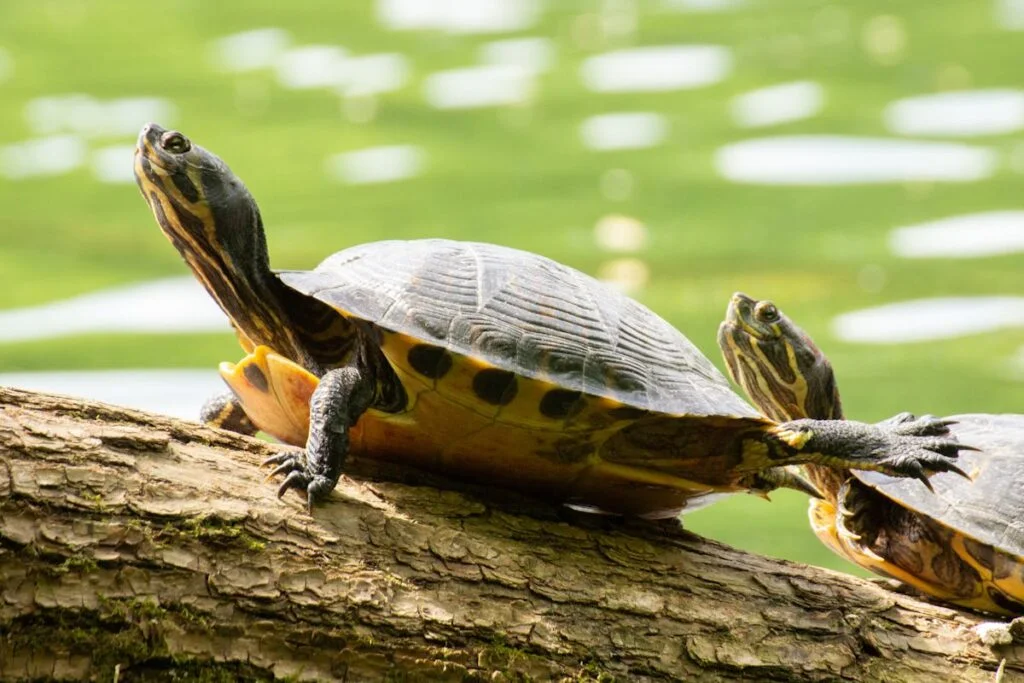
Does your tortoise spend hours walking back and forth along the perimeter of their enclosure? Do they stand on their hind legs and scratch frantically at the walls, a behavior commonly known as “glass surfing”? While a little bit of exploration is normal, relentless pacing is a clear sign of stress, boredom, or frustration.
What You Can Do:
Tortoises do not understand the concept of transparent barriers. If you keep them in a glass tank, they will constantly try to walk through the glass to reach the other side, leading to immense frustration. Fix this by taping an opaque background or border around the bottom few inches of the enclosure so they cannot see out.
Furthermore, pacing often means the enclosure is simply too small. Tortoises are wanderers by nature and need significant floor space to roam. Consider upgrading to a larger tortoise table, adding second levels, or creating “sightline breaks” with plants, rocks, and logs so they can’t see from one end of the habitat straight to the other.
4. Uncharacteristic Aggression or Extreme Skittishness
Every tortoise has its own unique personality. Some are naturally outgoing, while others are a bit more reserved. However, if your usually docile tortoise suddenly starts hissing, lunging, biting, or aggressively ramming your hand when you reach into the enclosure, they are communicating severe distress. Conversely, if a previously confident tortoise suddenly retreats into its shell at the slightest movement and refuses to come out, they feel deeply threatened.
What You Can Do:
Aggression and skittishness usually stem from a lack of security. Ensure your tortoise has multiple tight-fitting hides where they can retreat and feel completely hidden from the outside world. Additionally, evaluate how often you are handling them. Tortoises are generally an “observe, don’t touch” pet.
Being picked up removes their connection to the ground, simulating the terrifying experience of being scooped up by a bird of prey. Limit handling to health checks and necessary cage maintenance, and always approach them from the front so they can see you coming.
5. Physical Shell Abnormalities (Pyramiding and Softness)
While this is a physical symptom rather than a behavioral one, the condition of a tortoise’s shell is the ultimate historical record of their happiness and health. A healthy shell should be smooth and firm. If you notice the individual scutes (the plates on the shell) growing upwards into sharp peaks—a condition known as pyramiding—or if the shell feels spongy and soft to the touch, your tortoise’s environment and diet have been severely lacking.
What You Can Do:
Pyramiding is permanent, but you can stop it from getting worse. It is primarily caused by a lack of ambient humidity and incorrect diet during their crucial growth phases. Research the specific humidity requirements for your species and consider creating a humid hide filled with damp sphagnum moss.
Soft shells indicate Metabolic Bone Disease (MBD), which is caused by a lack of calcium, lack of Vitamin D3, or insufficient UVB lighting. Ensure you are replacing your UVB bulbs every six months (they stop emitting UV long before they burn out visually) and regularly dusting their food with a high-quality calcium supplement.
6. Irregular, Runny, or Absent Droppings
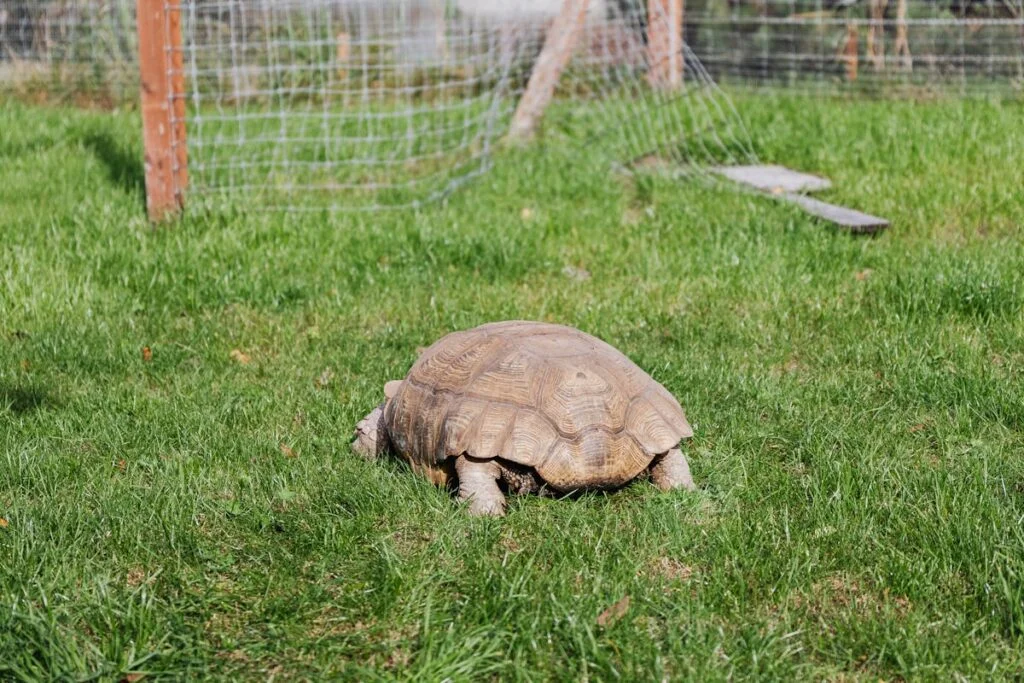
You can tell a lot about a tortoise’s well-being by looking at what they leave behind. Healthy tortoise feces should be well-formed, fibrous, and relatively firm. You should also see regular excretions of urates, which look like a white, toothpaste-like substance. If your tortoise has chronic diarrhea, undigested food in their stool, or if they haven’t passed anything in several days, their digestive tract is unhappy.
What You Can Do:
Runny stools are often the result of feeding too much fruit or watery vegetables (like iceberg lettuce or cucumber) and not enough fibrous roughage. Shift their diet toward broadleaf weeds, grasses, and specialized tortoise diets rich in fiber.
On the other hand, if they are not passing waste at all, they might be dehydrated. Soak your tortoise in a shallow, lukewarm bath for 15-20 minutes a few times a week. This encourages them to drink, rehydrates them through their cloaca, and often stimulates a healthy bowel movement.
7. Bubbling Noses, Wheezing, and Labored Breathing
If you hear a clicking sound when your tortoise breathes, notice them stretching their neck out to gasp for air, or see clear or cloudy bubbles coming from their nostrils, you are dealing with a severe issue. Respiratory Infections (RIs) are common in tortoises that are stressed, cold, or kept in damp, unhygienic conditions.
What You Can Do:
A respiratory infection is not something you can treat with simple habitat tweaks; it is a medical emergency that requires immediate veterinary intervention, usually involving a course of antibiotics. While you wait for your vet appointment, bump up the ambient temperature in the enclosure by a few degrees to help boost their immune system, and ensure their bedding is clean and dry to prevent further bacterial growth.
The Road to a Happier Tortoise
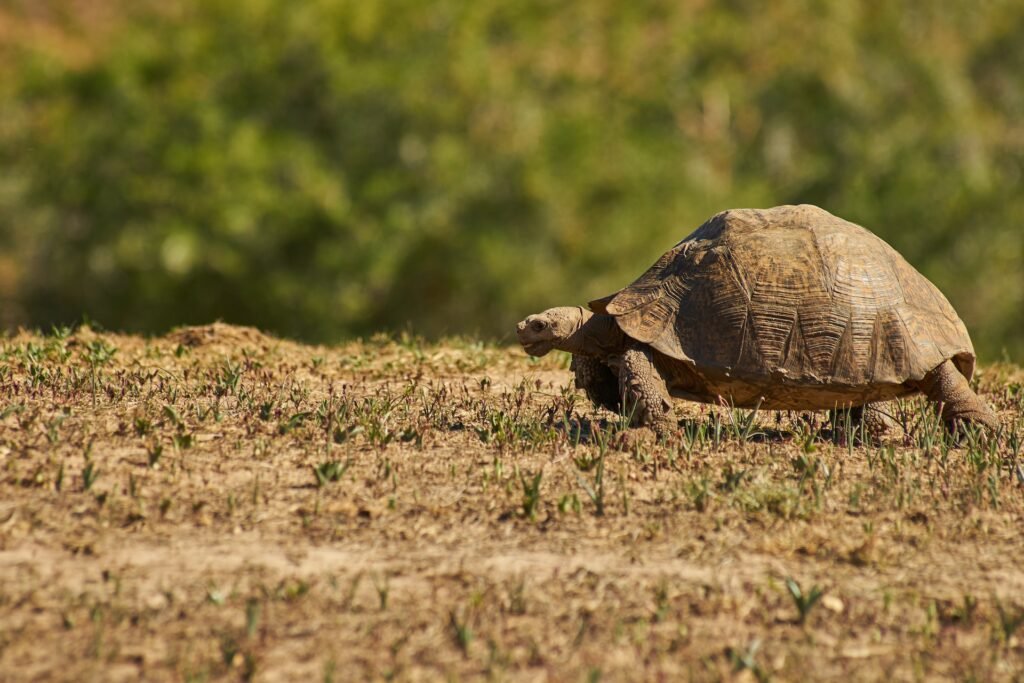
The foundation of a joyful tortoise always comes down to the big four elements of husbandry: Heat, Light, Diet, and Space. If you notice any of the signs listed above, don’t panic.
Take a step back, measure your temperatures, check your UVB output, evaluate their diet, and make sure they have plenty of room to roam safely. By paying close attention to these tell-tale signs, you can catch minor issues before they turn into major health problems, ensuring your shelled companion thrives for decades to come.
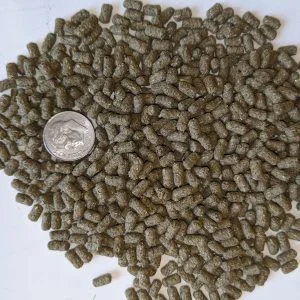
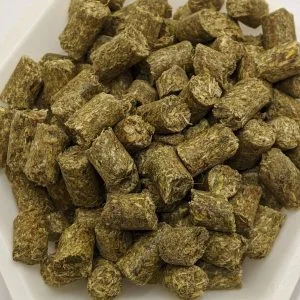
If you are looking to upgrade your tortoise’s diet, source high-quality supplements, or just need expert advice on creating the perfect habitat, we are here to help. Kapidolo Farms is dedicated to providing premium, natural foods and supplies to keep your tortoise healthy, active, and happy.
We understand the unique needs of these incredible reptiles, and we pride ourselves on helping keepers provide the absolute best care possible. If you have questions about our products or need guidance on what your specific species requires, don’t hesitate to reach out to us at kapidolofarms@gmail.com or give us a call at 215-483-7675. Let’s work together to give your tortoise the vibrant, enriching life they deserve.