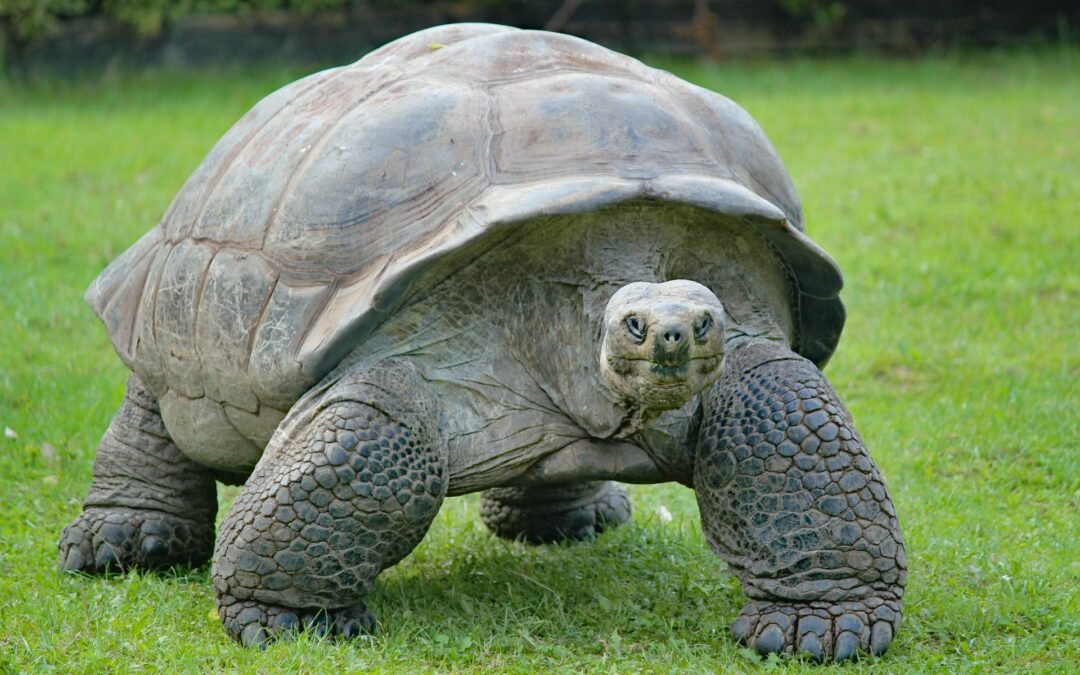
Tortoises are uniquely captivating creatures. With their domed shells, slow steps, and gentle gazes, we view them as wise elders. Beyond their distinctive appearance, tortoises are renowned for their extraordinary longevity. Some live up to 150 years or more, outliving generations of people, political eras, and cultural changes. Their stories offer glimpses into nature’s resilience, adaptation, and endurance.
Here, we’ll explore notable tortoise tales—from legendary tortoises with fascinating histories to the science that makes such longevity possible. Through these ancient individuals, we can learn about patience, persistence, and living in harmony with the world.
A History Written in Shells

While tortoises are cousins to aquatic turtles, they’re unique in several ways. They belong to the Testudinidae family. Based on fossil evidence, tortoises have existed on this planet for over 200 million years. In other words, they’ve witnessed continental formation, the rise and fall of dinosaurs, and countless climate changes.
Most tortoises live longer than three to four human generations. Unlike other animals quickly forgotten, tortoises become local legends. Families, zoos, and military outposts all have stories about these remarkable species.
Jonathan: The Patriarch of St. Helena
Jonathan is perhaps one of the most renowned living tortoises. This Seychelles giant tortoise lives on St. Helena Island in the South Atlantic. Speculation suggests he was born around 1832, meaning Jonathan has lived nearly two centuries. He existed before the invention of the telephone, the first lightbulb, and the completion of the Eiffel Tower.
Jonathan was gifted to St. Helena’s governor during the late 19th century and has been an island resident ever since. Despite his age, he maintains an active life, enjoying sun basking, grazing vegetables, and receiving veterinary care. His story reminds us that resilience combined with attentive care can create living connections between eras.
Harriet: Darwin’s Companion
According to stories, Harriet, another legendary tortoise, was discovered by Charles Darwin himself during his 1830s voyage on the HMS Beagle. Historians later debated this claim’s accuracy. Regardless, she lived in Australia for over 150 years, leading a remarkable life.
During her later years, Harriet was cared for by Steve Irwin, the “Crocodile Hunter,” at Australia Zoo. She died in 2006 at approximately 176 years old, making her one of history’s oldest recorded tortoises. Her story demonstrates how individual animals can become woven into human history, connecting scientific discovery, conservation, and popular culture.
Adwaita: The Hidden Elder of Kolkata
Adwaita, an Aldabra giant tortoise in India, was a local legend at Kolkata’s Alipore Zoological Gardens. Reportedly, Adwaita was gifted to a British general during the 18th century. He lived a remarkable life spanning over 250 years before dying in 2006.
If age estimations were accurate, Adwaita may have been the oldest tortoise and possibly the oldest known animal. He existed long before India’s independence and during the Mughal Empire’s reign. His enormous, weathered, cracked shell became a silent witness to centuries of cultural change and human history.
The Science of Longevity
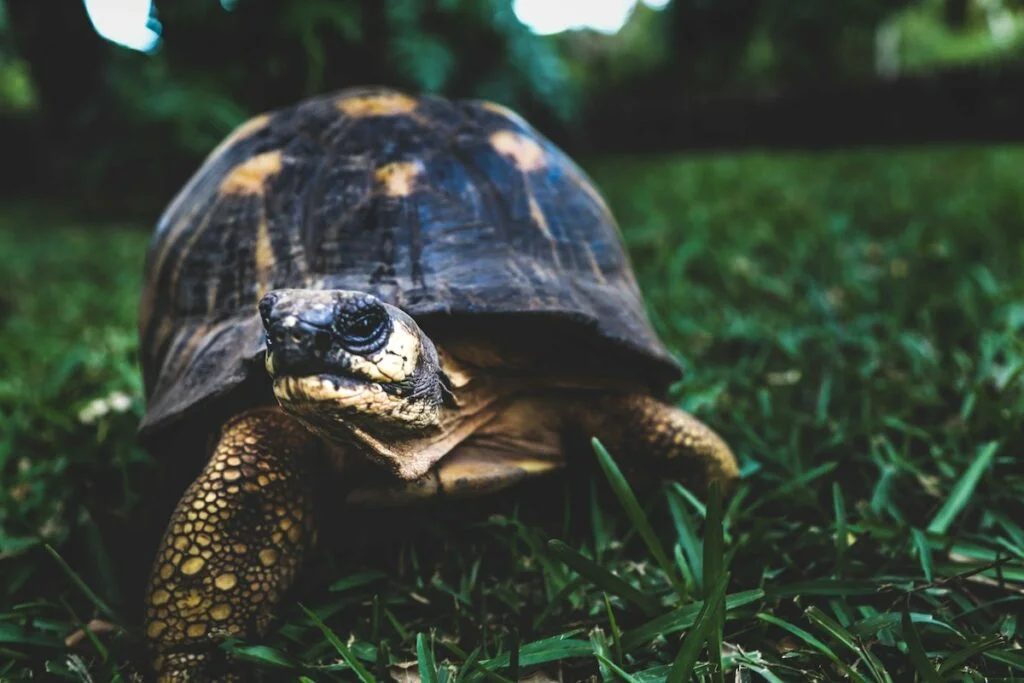
Why do tortoises live such long lives? Scientists have identified several fascinating biological traits:
- Protective Shell – Hard shells protect tortoises from predators, helping them avoid violent deaths that often shorten their lifespans.
- Slow Metabolism – They burn energy at incredibly slow rates, reducing wear on organs and cells, contributing to longer lifespans.
- DNA Repair and Cellular Health – Studies suggest tortoises have inherent genetic traits that improve DNA damage repair abilities, helping slow aging effects.
- Diet and Lifestyle – Tortoises typically eat vegetables, fruits, and greens—a low-stress, plant-based diet that prevents overexertion and promotes longevity.
These traits demonstrate that tortoises exemplify biological efficiency and endurance, providing researchers with valuable lessons about aging across species.
Tortoises in Culture and Myth
Beyond their longevity, tortoises hold symbolic significance across cultures worldwide.
- In Hindu mythology, the tortoise is an incarnation of Vishnu, providing support to the cosmic mountain during the ocean’s churning.
- In Chinese culture, tortoises represent longevity, stability, and wisdom. Tortoise statues are often displayed in temples or homes as good-luck charms.
- In African folklore, tortoises are portrayed as clever tricksters who use wit and patience to outsmart stronger animals.
- In the Western world, the fable “The Tortoise and the Hare” demonstrates that persistence often triumphs over speed.
These cultural associations prove that humans have long recognized tortoise qualities—not just physical endurance, but the virtues they represent.
Conservation Challenges
Despite their resilience, tortoises face severe modern threats including habitat loss, poaching, and invasive species. These challenges have devastated populations, especially island-dwelling tortoises. Predators like rats and cats prey on eggs, eliminating entire generations.
Fortunately, conservationists have introduced breeding programs, habitat restoration, and protective laws. The Galápagos giant tortoise shows hopeful recovery signs thanks to intensive conservation efforts. Preserving these creatures ensures future generations can appreciate their longevity and the stories they carry.
Lessons from the Long-Lived
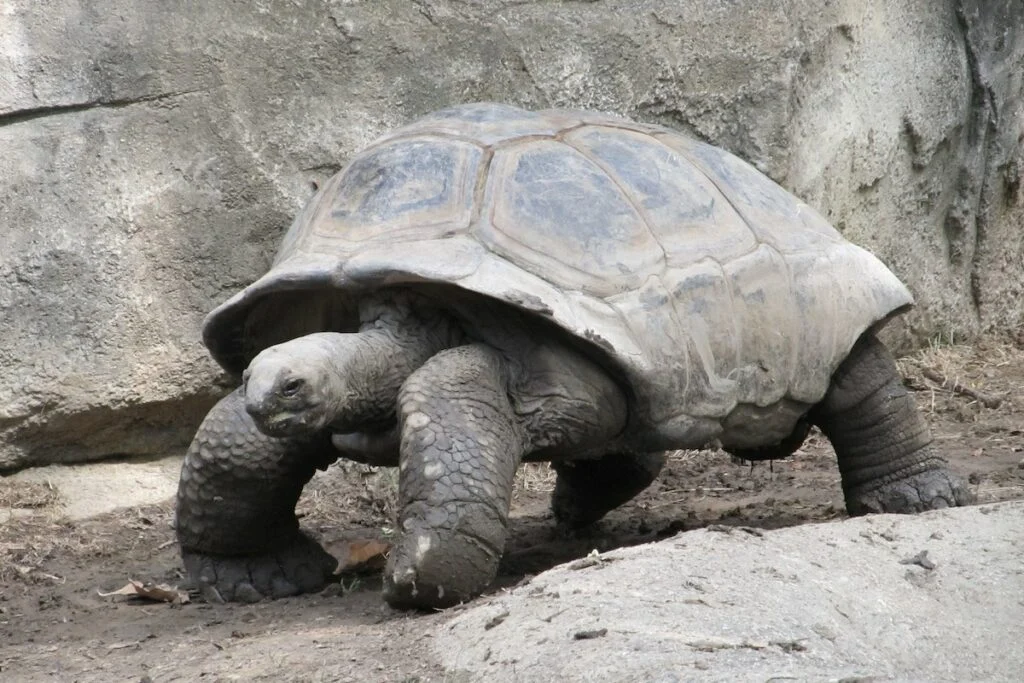
What can we learn from the tales of Jonathan, Harriet, Adwaita, and other tortoises? Their stories remind us that life needn’t be fast-paced to be meaningful. Tortoise patience, endurance, and adaptability teach lessons applicable to human life:
- Resilience Means Survival – Protective adaptations, whether physical or behavioral, are secrets to long-term endurance.
- Patience Is Powerful – Maintaining slow, steady progress over decades produces remarkable outcomes.
- Interconnection Is Essential – Tortoises require human help to survive. Conservation demonstrates how human actions impact survival across centuries.
- Life Is Not a Race – The old fable teaches that steady, consistent effort often outweighs quick energy bursts.
Looking Forward
As we face rapid environmental changes and biodiversity loss, tortoises serve as important reminders of what we risk losing. Their survival depends increasingly on human intervention and responsible stewardship. Supporting conservation efforts, protecting natural habitats, and respecting these ancient creatures ensures their stories continue. Every tortoise saved represents not just a species preserved, but a living link to our planet’s past and future.
Conclusion
Tortoises aren’t just animals—they’re living testaments to history. Each individual is a silent witness to human progress, environmental changes, and cultural evolution. They’re storytellers reminding us that longevity isn’t necessarily about years lived but the wisdom gained within those years.
These remarkable creatures challenge us to think beyond our brief lifespans and consider the longer arc of time. In their slow, deliberate movements, we find lessons about sustainability, patience, and the importance of living harmoniously with our world.
Kapidolo Farms offers various products for tortoises, including food items, diet items, and organic sourced items. For more information, email kapidolofarms@gmail.com or call 215-483-7675.