
Leopard tortoises capture hearts with their beautiful shell patterns and surprisingly distinct personalities. These remarkable reptiles from central and southern Africa have become increasingly popular pets for reptile enthusiasts who appreciate their longevity, relatively low maintenance requirements, and hypoallergenic nature that makes them perfect for families with allergies.
Unlike dogs or cats that require daily walks and constant attention, leopard tortoises offer companionship on their own terms. Some individuals are naturally shy and prefer observing from a distance, while others become surprisingly interactive, recognizing their owners and eagerly approaching during feeding times.
The commitment to a leopard tortoise is significant—these animals can live 50-100 years in proper care, meaning they often become lifelong companions that may outlive their original owners. This longevity makes understanding proper care essential, as the decisions you make today will affect your tortoise’s health and happiness for decades to come.
At Kapidolo Farms, we’ve dedicated ourselves to supporting tortoise owners with quality food, supplies, and expert guidance. Our experience has taught us that successful tortoise keeping begins with understanding their natural needs and creating environments that support their health and well-being throughout their remarkably long lives.
Understanding Your Leopard Tortoise
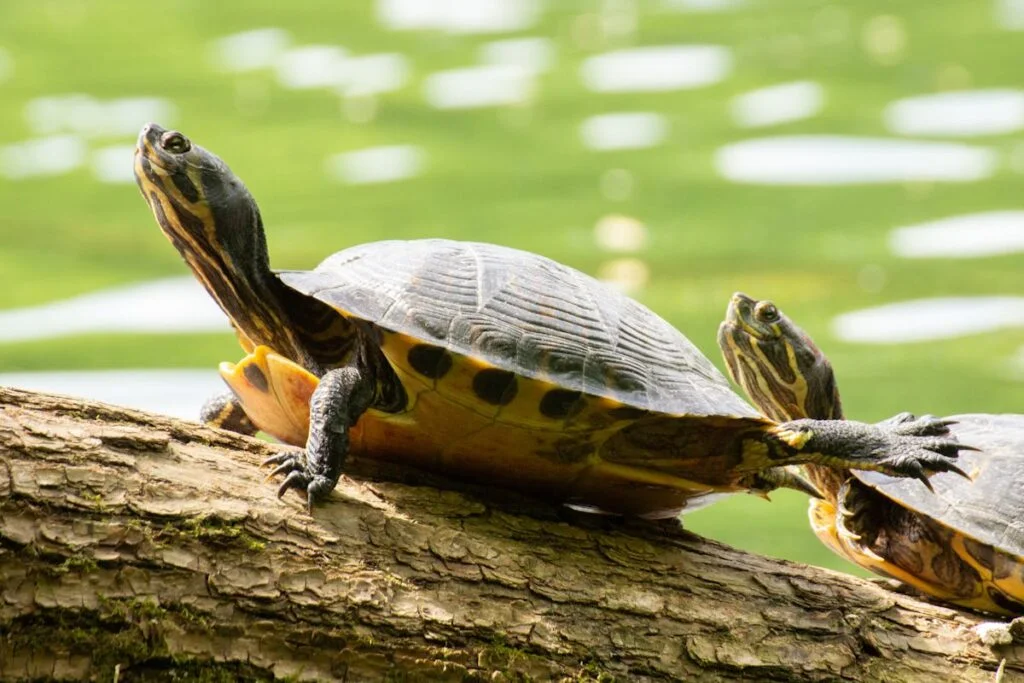
Leopard tortoises exhibit fascinating variety in both size and personality. Adult females typically weigh over 30 pounds and can reach 10-18 inches in length, while males remain smaller, usually weighing about half as much as their female counterparts. The specific subspecies and geographic origin influence size potential, with South African varieties reaching up to 24 inches and Ethiopian/Somalian subspecies growing even larger at up to 30 inches.
Males can be distinguished from females by their concave plastron (bottom shell) and proportionally larger tails, characteristics that become more pronounced as they reach sexual maturity.
Temperament and Social Behavior
Despite their reputation as solitary animals, leopard tortoises display individual personalities that can surprise new owners. While many remain naturally cautious and will withdraw into their shells when startled, others become remarkably interactive, learning to recognize feeding schedules and even showing excitement when their favorite foods appear.
These tortoises aren’t suitable pets for young children due to their size, strength, and specific care requirements. They also shouldn’t be handled frequently, as excessive handling can stress them and potentially lead to health problems.
Creating the Perfect Home Environment

Indoor Housing Solutions
Wooden Vivariums for Climate Control
Wooden enclosures provide excellent insulation properties that make temperature management easier and more efficient. Wood naturally retains heat while allowing proper ventilation, creating stable microclimates that support tortoise health.
For adult leopard tortoises, enclosures should measure at least 46 inches in length, providing space for temperature gradients and natural behaviors. The design should create a thermal gradient with a warm basking area at one end and a cooler retreat area at the other end.
Table Setups for Indoor Spaces
Table-based enclosures work well in consistently warm indoor environments but require more careful temperature monitoring since they don’t insulate heat as effectively as wooden vivariums. These setups need to be at least 35 inches long for adequate space.
Hatchling Accommodations
Young leopard tortoises can start in 20-gallon aquariums, but they grow quickly and will need larger spaces within their first year. Planning for growth prevents the need for frequent enclosure upgrades.
Outdoor Housing for Adult Tortoises
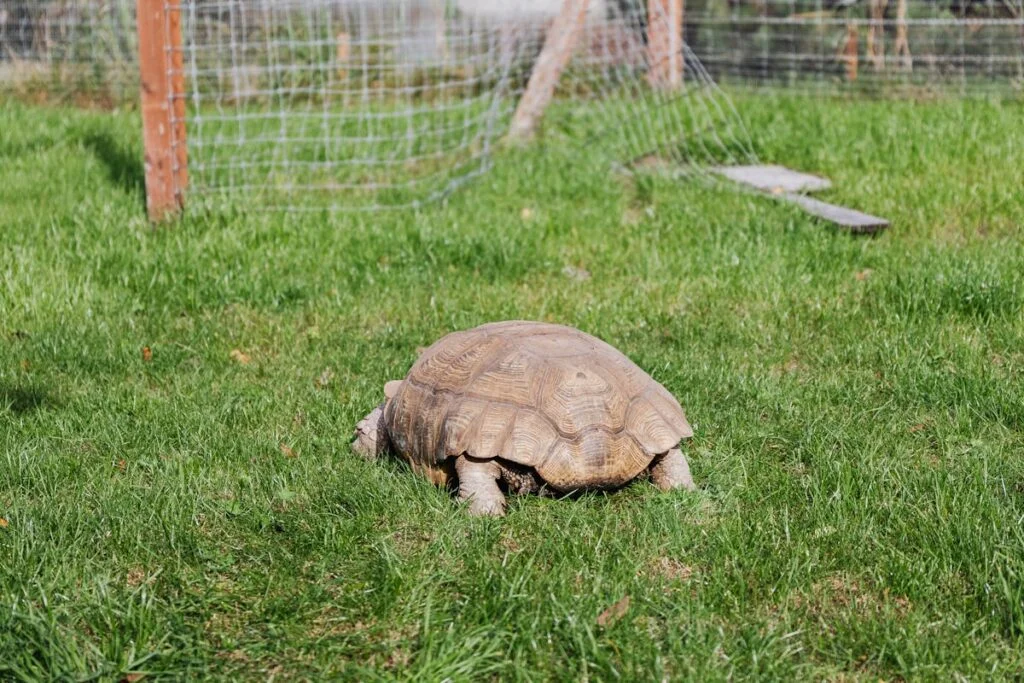
Adult leopard tortoises thrive in outdoor enclosures that provide ample space for natural behaviors like foraging, digging, and basking. Each adult tortoise needs at least 50 square feet of space to maintain physical and psychological health.
Outdoor enclosures must provide secure fencing that prevents escape while protecting tortoises from predators. The fencing should extend several inches underground to prevent digging escapes, as leopard tortoises are surprisingly capable diggers.
Essential Environmental Requirements

Lighting and UVB Needs
Leopard tortoises require high-quality UVB lighting to maintain proper health and shell development. In their natural African habitat, they bask in intense sunlight for several hours daily, synthesizing vitamin D3 that enables proper calcium absorption.
Indoor enclosures need full-spectrum UVB fluorescent tubes that cover a significant portion of the basking area. These bulbs require replacement every 6-12 months as their UVB output diminishes over time, even when they continue producing visible light.
Heat and UVB combination bulbs can provide both requirements simultaneously, but they should be positioned at appropriate distances to provide proper intensity without overheating the tortoise.
Temperature Management
Thermal Gradient Requirements
Proper temperature gradients allow tortoises to thermoregulate by moving between warmer and cooler areas as needed. The cool end should maintain approximately 80°F, while basking spots should reach 88-92°F during daylight hours.
Nighttime Temperature Considerations
Hatchlings require consistent warmth and benefit from under-tank heaters that maintain 85°F even when overhead heating is turned off for the night cycle. Adult tortoises can tolerate cooler nighttime temperatures but should not be exposed to temperatures below 70°F for extended periods.
Outdoor Temperature Thresholds
Outdoor tortoises can handle considerable temperature ranges but need protection when nighttime temperatures drop into the 50s or daytime temperatures fail to reach 70°F. Ceramic heat emitters or infrared heating elements can provide supplemental warmth during cool periods.
Substrate and Environment Design
Dry Environment Maintenance
Leopard tortoises originate from arid regions and require low-humidity environments to prevent respiratory and shell problems. Substrates should drain well and dry quickly after cleaning or accidental moisture exposure.
Hatchling Special Requirements
Young tortoises need access to humid microclimates for proper shell development while maintaining overall dry conditions. Provide humid hide boxes filled with damp sphagnum moss or moist soil that hatchlings can access when needed.
Without adequate humidity during development, hatchlings may develop pyramiding, a condition where individual shell segments grow abnormally, creating a peaked rather than smooth shell surface. This deformity is permanent and can affect the tortoise’s health throughout its life.
Enrichment and Natural Behaviors
Include hiding places, climbing opportunities over rocks or logs, and areas suitable for digging to support natural behaviors. Desert plants can provide visual interest and additional hiding opportunities while maintaining the appropriate aesthetic environment.
Nutrition and Feeding Guidelines

Natural Diet Principles
Leopard tortoises are primarily grazers that consume a variety of grasses and vegetation in their natural habitat. Their digestive systems are designed to process high-fiber, low-protein diets that support slow, steady growth and long-term health.
Primary Food Sources
The foundation of a healthy leopard tortoise diet consists of high-quality hay, particularly timothy hay and alfalfa hay mixtures. This fibrous base should comprise the majority of their daily intake, supporting proper digestion and providing essential nutrients.
Fresh Vegetation Variety
Supplement hay with fresh vegetables, including bell peppers, Brussels sprout tops, carrots, and various greens like dandelion, clover, parsley, and spring greens. Leafy greens should make up a significant portion of the fresh food offerings.
Specialized Plant Options
Wild plants like bindweed, chickweed, corn poppy, plantain, and various grasses provide excellent nutrition when available. Prickly pear cactus pads offer hydration and nutrition, while mulberry and hibiscus leaves provide variety and enrichment.
Age-Appropriate Feeding
Hatchling Nutrition
Young tortoises can eat the same foods as adults but require smaller pieces to prevent choking or intestinal blockages. Shred hard vegetables like carrots or sweet potatoes into manageable sizes, and chop all foods into appropriate portions.
Feeding Schedule and Portions
Provide fresh food daily, removing uneaten portions to prevent spoilage and pest problems. Place food on beds of hay to encourage natural foraging behaviors while keeping food clean and accessible.
Health Monitoring and Supplements
Essential Supplements
Calcium supplementation is crucial for proper shell and bone development. Dust food with calcium powder daily, ensuring adequate intake for growing tortoises and maintaining adult health.
Vitamin supplements support overall health, particularly for hatchlings that need them daily and adults that benefit from every-other-day supplementation. Use reptile-specific vitamin formulations designed for herbivorous species.
Health Issue Recognition
Respiratory problems can develop when tortoises are exposed to inappropriate temperatures or high humidity. Watch for symptoms including labored breathing, nasal discharge, swollen eyes, lethargy, and decreased appetite.
Minor respiratory issues often resolve when environmental conditions are corrected, but persistent symptoms require veterinary intervention to prevent progression to serious conditions like pneumonia.
Breeding and Reproduction
Leopard tortoises can be housed together successfully due to their generally peaceful nature. Breeding females require nesting boxes large enough for them to turn around comfortably, filled with a soil mixture moist enough to hold its shape when compressed.
Females may lay multiple clutches containing 6-20 eggs each, spaced 4-6 weeks apart during the breeding season. Proper nesting sites are essential for successful reproduction and female health.
Incubation Requirements
Eggs require careful incubation in controlled environments with temperatures maintained between 82-89°F. Some subspecies need cooling periods of 30+ days at 65-70°F to trigger proper embryonic development.
Incubation typically takes around 60 days, though timing can vary based on temperature and subspecies. Proper humidity management during incubation affects hatching success and hatchling health.
Your Partner in Tortoise Care Success
Successful leopard tortoise keeping requires understanding their unique needs and providing appropriate supplies, nutrition, and environmental conditions. Quality care products and expert guidance make the difference between struggling with problems and enjoying decades of companionship with these remarkable animals.
Kapidolo Farms specializes in providing everything you need for successful tortoise keeping, from specialized foods and supplements to housing supplies and expert advice. We ship nationwide, making quality tortoise care accessible regardless of your location.
Ready to provide the best possible care for your leopard tortoise? Contact Kapidolo Farms at 215-483-7675 or email kapidolofarms@gmail.com for expert guidance and quality supplies.
Let us help you create the perfect environment where your leopard tortoise can thrive for decades to come.