Unlike a puppy or a kitten, a baby tortoise is a reptilian enigma. They are often smaller than a golf ball, incredibly fragile, and they don’t give you vocal cues when they are hungry, cold, or thirsty.
For decades, “old school” advice led many new keepers astray, resulting in tortoises with bumpy shells (pyramiding) or kidney failure. Fortunately, herpetological husbandry has evolved. We now know that the first 12 to 18 months of a tortoise’s life are the most critical for establishing long-term health.
If you are staring at your new shelled friend and wondering if you are doing it right, you are not alone. Here are the answers to the top five most pressing questions regarding hatchling and baby tortoise care.
1. “Does my baby tortoise really need high humidity? won’t that cause shell rot?”

This is the single most controversial and important topic in modern tortoise husbandry. For years, keepers were told that desert species (like Sulcatas, Leopards, and Russians) needed bone-dry environments. That advice is now considered outdated and dangerous for hatchlings.
The short answer is: Yes, your hatchling needs high humidity.
The Science of the Shell
When a tortoise is a hatchling, its shell is not yet bone; it is soft, living tissue and keratin. In the wild, hatchlings spend almost all their time buried deep in burrows or under moist leaf litter where humidity levels reach 80% to 99%. This moisture prevents the shell from dehydrating.
If you keep a hatchling in a dry environment, the keratin dries out and shrinks. As the tortoise grows, the bone expands, but the dried-out keratin pulls tight, forcing the new growth upward. This creates the pyramid shape known as “pyramiding.” It is not just cosmetic; it is a sign of chronic dehydration that can affect the kidneys.
How to Achieve It Safely
The fear of “shell rot” comes from keeping a tortoise on cold, wet, swampy substrate. To avoid this:
- Warm and Humid: Humidity is safe as long as the temperatures are high (never below 80°F/27°C in a high-humidity zone).
- The Closed Chamber: It is almost impossible to maintain 80% humidity in an open-top table enclosure. Use a vivarium or modify a tank to have a covered top. This traps moisture and creates a tropical microclimate.
- Moist, Not Wet: The substrate (coco coir or cypress mulch) should be damp like a wrung-out sponge, not dripping wet.
2. “What exactly should I feed a tortoise this small?”
New keepers often worry that their hatchling can’t handle tough foods. This leads to feeding them “soft” foods like lettuce mixes or fruit, which can be detrimental to grazing species.
The “Weeds and Grasses” Rule
For the vast majority of popular species (Sulcatas, Russians, Greeks, Hermann’s, Leopards), the diet should consist of high-fiber, low-protein, and calcium-rich weeds.
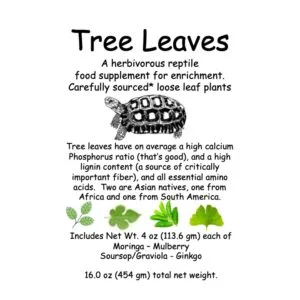
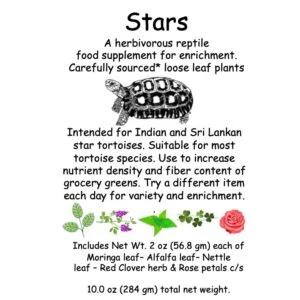
- Best Options: Dandelion greens, clover, plantain (the weed, not the banana), hibiscus leaves, mulberry leaves, and chicory.
- Grocery Store Options: Endive, escarole, radicchio, and turnip greens.
- Avoid: Iceberg lettuce (no nutrition), spinach (blocks calcium absorption), and fruit (sugar disrupts gut bacteria in grazing species).
Preparation Matters
While adults can tear through a head of lettuce, hatchlings have tiny mouths and weaker jaw strength.
- Chop it finely: Cut greens into tiny ribbons. This makes it easier to eat and allows you to mix in less desirable (but healthy) dried grasses.
- Calcium is King: You must dust their food with calcium powder (with D3 if kept indoors, without D3 if outdoors) 2 to 3 times a week. Their bones are growing rapidly, and metabolic bone disease is a common killer of babies.
Note: Red-footed tortoises are the exception here; they require fruit and some animal protein in their diet. Always verify your specific species’ requirements.
3. “Why does my baby tortoise sleep all the time? Is he sick?”

It can be alarming to see your new pet spend 20 hours a day sleeping, often with its head tucked in or legs sprawled out.
The Energy Conservation Mode
Hatchlings are prey animals. In the wild, being out in the open is a death sentence. Therefore, their instinct is to eat quickly and then hide. Furthermore, babies have high metabolic requirements for growth, and sleep aids this process.
However, you need to distinguish between “sleeping” and “lethargy.”
- Normal Behavior: The tortoise wakes up when the lights go on, basks to warm up, eats voraciously, and then goes back to sleep/hiding.
- Lethargy: The tortoise does not wake up for food, feels limp when picked up, or has puffy eyes.
The Importance of the Daily Soak
Because they sleep so much and are prone to dehydration, you cannot rely on a hatchling to find its water dish. You must soak your hatchling daily.
- Place them in a shallow container with lukewarm water (chin deep).
- Let them soak for 15–20 minutes.
- This ensures they are hydrated and often stimulates them to poop, which keeps their digestive tract moving.
4. “How do I set up the lighting and heating correctly?”
Getting the temperature gradient right is the technical backbone of tortoise care. If a hatchling is too cold, it cannot digest food (leading to rotting food in the gut). If it is too hot, it will dehydrate and die rapidly.
The Power of Three
You generally need three elements in your lighting/heating rig:
- Basking Bulb: This provides heat. The basking spot surface temperature should usually be between 95°F and 100°F (35°C–38°C).
- UVB Bulb: This emits ultraviolet light, which allows the tortoise to synthesize Vitamin D3. Without D3, they cannot absorb calcium, leading to soft shells and death. Use a high-quality T5 fluorescent tube bulb. Avoid “coil” bulbs, as they can damage tortoise eyes.
- Che (Ceramic Heat Emitter): This produces heat but no light. This is crucial for nighttime. Tortoises need total darkness to sleep, but hatchlings should not get too cold. A CHE on a thermostat keeps the ambient temp around 80°F (27°C) at night without disturbing their sleep cycle.
The Temperature Gun
Do not rely on the stick-on thermometers that come with pet store kits; they are notoriously inaccurate. Buy a digital infrared temperature gun. Point it at the basking rock and the cool side of the enclosure to know exactly what your tortoise is feeling.
5. “What type of enclosure is best: Glass Tank or Tortoise Table?”

If you ask this on a forum, you might spark a war. Traditionally, people said “never use glass” because tortoises don’t understand transparency and will pace against the glass. They recommended “Tortoise Tables” (open wooden boxes). However, for hatchlings, the advice has shifted.
The Open-Top Problem
As discussed in Question 1, hatchlings need humidity. An open-top tortoise table acts like a chimney, pulling all the heat and moisture up and out into your room. It is nearly impossible to keep a hatchling hydrated in an open table.
The “Closed Chamber” Solution
For the first year of life, an enclosed environment is superior.
- Glass Terrariums: These work well if you black out the bottom 4 inches of the glass with paper or tape so the tortoise feels secure and doesn’t try to walk through the “invisible barrier.”
- PVC Cages: These are the gold standard. They hold heat and humidity perfectly, are opaque (reducing stress), and are easy to clean.
Once the tortoise is a juvenile (over 3 inches or so) and the shell has hardened, you can transition them to a larger, open-top tortoise table.
Summary Checklist for Success
To recap, if you want a smooth first year with your hatchling:
- Humidity: Keep it high (80%+) in a closed chamber.
- Diet: Chop high-fiber weeds and greens finely; use calcium supplements.
- Hydration: Soak the baby in warm water for 20 minutes every single day.
- Lighting: Use a tube UVB bulb and a separate heat source.
- Monitoring: Use a temp gun to verify your gradients.
The first year of a tortoise’s life is a race against dehydration and metabolic imbalance. It sounds scary, but by ignoring the “old dry advice” and embracing high humidity, daily soaks, and proper UV lighting, your tiny hatchling will grow into a smooth, heavy, and robust juvenile.
Watch for the small milestones: the first time they chase a piece of squash, the firming of their shell, and the development of their unique personality. With the right care now, you are preparing your pet for a life that could span decades—perhaps even outliving you.
Get Expert Nutrition and Supplies
Raising a hatchling requires precision, especially when it comes to their diet. If you are looking for high-quality specialized food items, supplements that take the guesswork out of nutrition, or expert advice on what your specific tortoise needs, look no further than Kapidolo Farms.
We specialize in providing the best nutritional support for your shelled friends. Contact us today at 215-483-7675