
No matter how sophisticated your indoor UVB lighting setup is, it pales in comparison to the full spectrum of natural sunlight. Real sunshine helps synthesize Vitamin D3 more efficiently, strengthens shells, and stimulates natural behaviors like grazing and basking. However, moving your shelled companion outside—whether for a few hours a day or permanently—requires careful planning.
The outdoors is filled with variables you can’t control, from fluctuating temperatures to curious predators. Creating the perfect outdoor enclosure isn’t just about fencing off a corner of the yard; it’s about engineering a micro-habitat that offers safety, security, and the specific environmental conditions your species needs to thrive.
7 Steps for Creating Your Own Outdoor Tortoise Haven
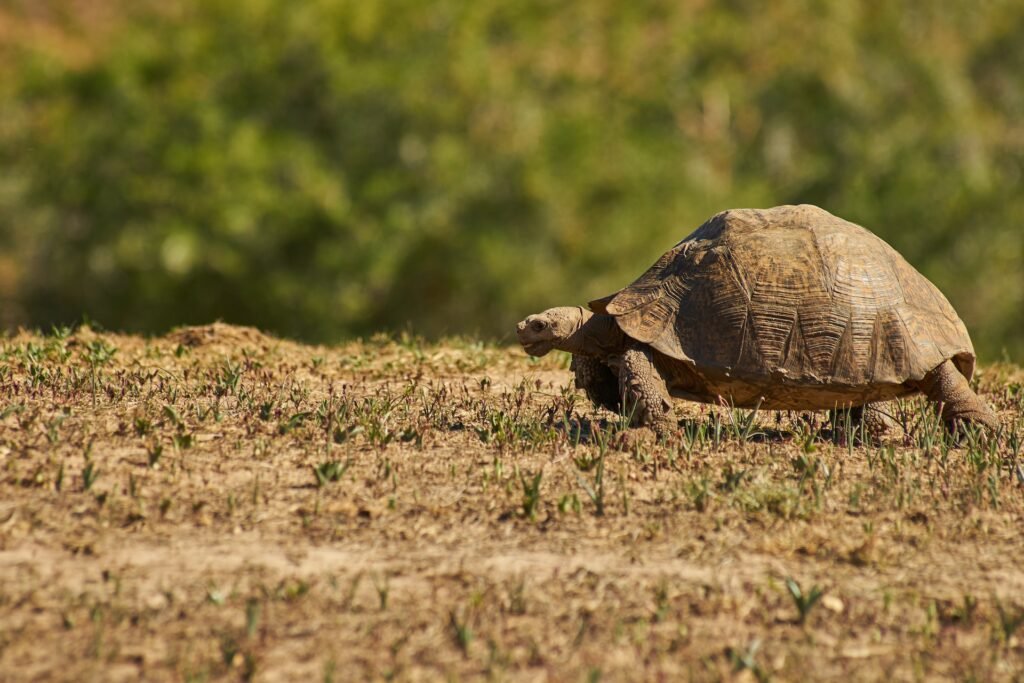
Step 1: Location and Layout
Before you dig the first post hole, you must evaluate your landscape. A tortoise enclosure is not just a cage; it is a functioning ecosystem.
Sun and Shade Balance
Reptiles are ectothermic, meaning they rely on their environment to regulate their body temperature. Your enclosure must provide a “thermal gradient.”
- Morning Sun: Choose a spot that gets early morning sun (facing East or South). This allows your tortoise to warm up quickly after a cool night and start their metabolism for digestion.
- Afternoon Shade: Overheating is a faster killer than cold. Ensure there are areas of deep shade, provided by bushes, overhangs, or structures, especially during the scorching mid-afternoon hours.
Drainage
Tortoises are susceptible to respiratory infections and shell rot if kept on constantly soggy ground. Avoid low-lying areas of your yard where water pools after rain. If your soil is heavy clay, you may need to amend it with topsoil and sand or build a raised enclosure to ensure proper drainage.
Step 2: The Perimeter—Keep Them In
One of the most common myths about tortoises is that they are slow and sedentary. In reality, they are determined bulldozers and surprisingly agile climbers. If they can see through a fence, they will try to get through it.
Visual Barriers
The walls of your enclosure should be solid. If a tortoise can see the rest of the yard through a chain-link or wire fence, they will spend their entire day pacing back and forth, rubbing their nose raw against the wire in an attempt to reach the “other side.”
- Recommended Materials: Pressure-treated wood, landscaping timbers, brick, or cinder blocks.
- Height: For most species (like Russians or Greeks), a wall 12–18 inches high is sufficient. For larger species like Sulcatas, you need significantly higher and stronger walls.
The Anti-Escape Design
- Dig Barriers: Many species, particularly Gopher tortoises, Sulcatas, and Russians, are expert burrowers. You must bury your perimeter fencing at least 6–12 inches underground. Alternatively, you can bury hardware cloth (wire mesh) under the sod at the perimeter edges.
- Climb Proofing: Tortoises can scale chain link and rough wood corners. Create a “lip” or overhang at the top of your wall that faces inward. If the tortoise manages to scale the wall, this overhang will prevent them from pulling themselves over the top.
Step 3: Predator Proofing—Keep Them Out
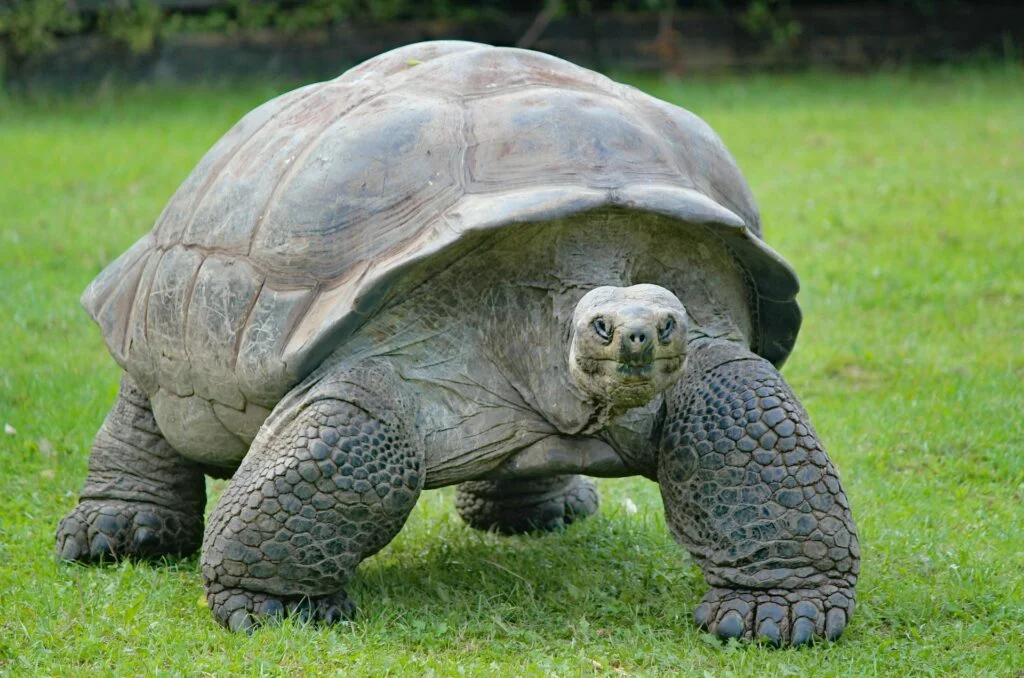
The outdoors is full of dangers. Raccoons, opossums, foxes, birds of prey, and even domestic dogs are significant threats.
The “Lid” Solution for Small Tortoises
For hatchlings and small species (under 6 inches), an open-topped enclosure is a risk. A large crow or hawk can snatch a small tortoise in seconds.
- Hardware Cloth: Cover the top of the enclosure with heavy-duty hardware cloth (screen). Do not use chicken wire; raccoons can rip through chicken wire with their hands.
- Secure Latches: If you use a hinged lid, ensure it has locking latches. Raccoons are intelligent puzzle-solvers and can lift simple lids.
Security for Large Tortoises
Adult Sulcatas or Leopards may be too large for birds, but they are still vulnerable to dogs and coyotes.
- Reinforced Fencing: Ensure the enclosure is robust enough to withstand a dog trying to break in.
- Night Lock-Up: The safest protocol for any tortoise is to be locked inside a secure, predator-proof box or house at night. Most predator attacks happen between dusk and dawn.
Step 4: Mastering the Microclimate
A “shelter” is more than just a place to sleep; it is a tool for survival. Your enclosure should offer a variety of hides that serve different purposes.
The Humid Hide
Even arid species need access to humidity to keep their shell smooth and their hydration levels up.
- Construction: You can bury a plastic tote, a large flower pot, or build a wooden box partially underground. The earth insulates the hide, keeping it cooler in summer and warmer in winter.
- Substrate: Keep the soil inside this hide slightly damp (not wet). This mimics the burrows tortoises use in the wild.
The Heated Night House
If you live in a climate with cool nights, or if you are keeping tropical species like Red-foots or Leopards in a temperate zone, you need a heated structure.
- Insulation: Use rigid foam insulation in the walls of the house to retain heat.
- Heat Source: A radiant heat panel or a ceramic heat emitter on a thermostat is safer than a heat lamp, which can break or cause fires.
- Door Flaps: heavy plastic vinyl strips (like those on walk-in freezers) allow the tortoise to enter and exit while keeping the warm air inside.
Step 5: The Edible Landscape
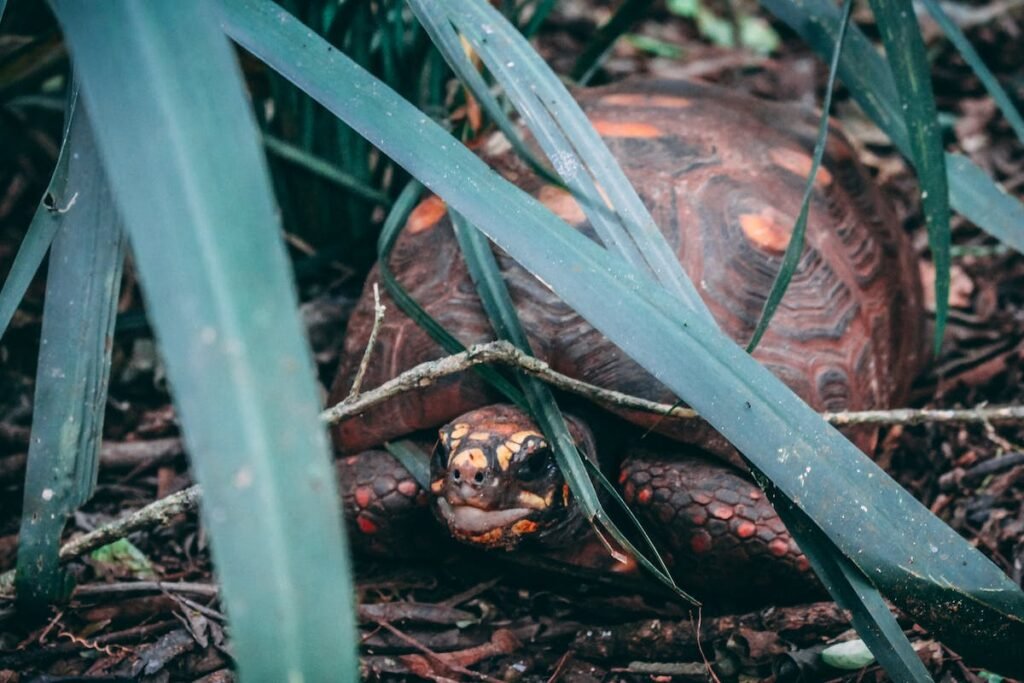
The best outdoor enclosures function as a buffet. Foraging is a major part of a tortoise’s mental enrichment. Instead of placing a pile of lettuce on a plate, plant the food directly in the ground. This encourages the tortoise to walk, stretch, and hunt for their meal.
Safe Vegetation
You must ensure that every plant in the enclosure is non-toxic.
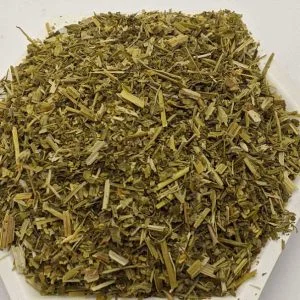
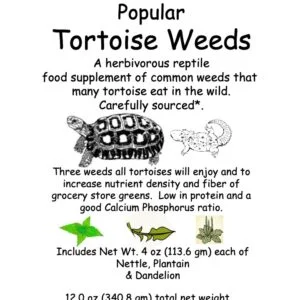
- Edible Weeds: Dandelion, plantain (the weed, not the banana), clover, and thistle are excellent staples.
- Ornamentals: Hibiscus, rose bushes, and spider plants are safe and provide edible flowers and leaves.
- Grasses: For grazers like Sulcatas and Leopards, plant hardy grasses such as Bermuda, Timothy, or Orchard grass.
Substrate Matters
Avoid using gravel, wood chips, or sand as the primary ground cover, as these can cause impaction if eaten. The best substrate is natural dirt planted with grass and weeds. If your yard is pure sand or rock, bring in topsoil to create a natural “floor” for them to walk on.
Step 6: Enrichment and Terrain
A flat, square box of grass is boring. Tortoises are inquisitive creatures that map their territory.
- Topography: Build small hills and mounds. Climbing builds muscle mass and helps if a tortoise accidentally flips over (slopes make it easier to self-right).
- Obstacles: Place large rocks, logs, and driftwood in the enclosure. These break up sightlines (reducing stress) and provide obstacles to climb over or dig under.
- Texture: Vary the ground texture. Have patches of soft dirt for digging, flat stones for basking (which also help file down nails), and grassy areas for sleeping.
Step 7: Water and Hydration
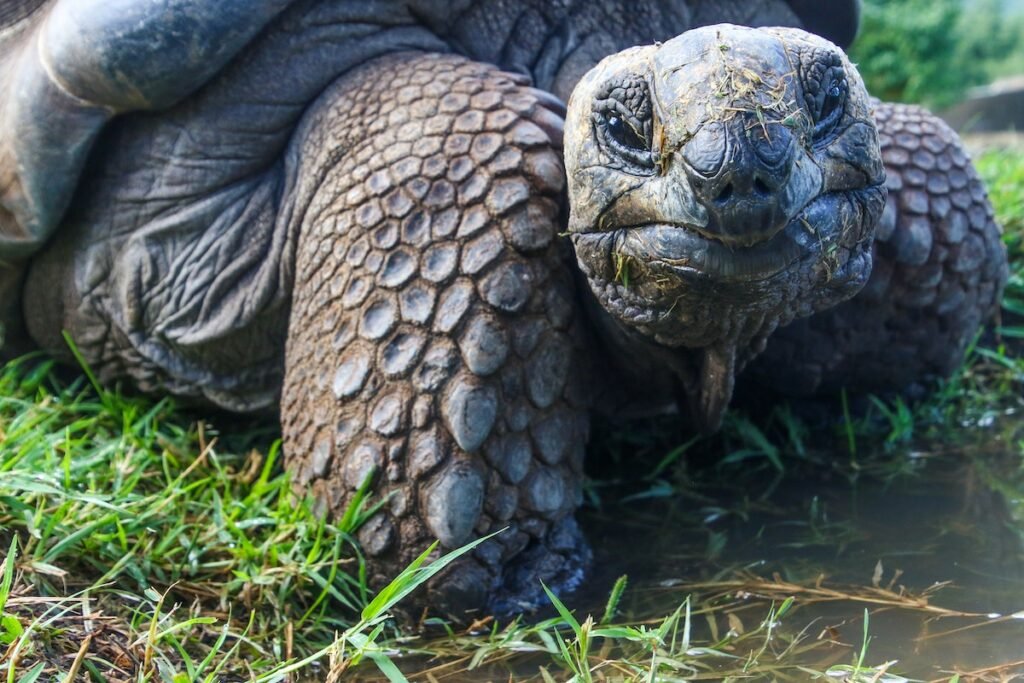
Dehydration can happen quickly outdoors, even on mild days.
- The Soaking Dish: Provide a shallow water dish large enough for the whole tortoise to soak in.
- Depth Safety: The water should not be deeper than the tortoise’s chin.
- Ramps: Ensure the dish has low sides or textured ramps so the tortoise can get in and out easily without flipping over.
- Placement: Keep the water in the shade to prevent it from becoming hot soup and to slow down evaporation.
A Tortoise Paradise
Building the perfect outdoor enclosure requires looking at the world from the ground up. It demands that you think like a prey animal (needing security) and a cold-blooded reptile (needing heat regulation). But the effort is rewarded the moment you see your tortoise extending their neck to the sun, grazing on a hibiscus flower, or digging a comfortable pallet in the dirt. A well-designed enclosure doesn’t just keep them alive; it gives them a life worth living.
Nutrition for the Dedicated Keeper
Even the best outdoor enclosure needs to be supplemented with high-quality nutrition, especially when natural grazing slows down. Kapidolo Farms specializes in providing the highest quality diet items for tortoises, including organic-sourced hays, dried flowers, and specialized diet packs. Their expertise in tortoise husbandry ensures your shelled friend gets exactly what they need.
For advice or to place an order, contact Kapidolo Farms at 215-483-7675 or email kapidolofarms@gmail.com.