A Well-Stocked Pantry Makes Feeding Feel Less Like Guesswork
Anyone who has kept a tortoise for more than a season or two knows that feeding isn’t as simple as picking one green and sticking with it forever. We’ve found that a healthy diet shifts with the seasons, with what’s actually available at the store that week, and honestly, with whatever mood our tortoise happens to be in. Out in the wild, these animals wander through patches of grass, weeds, flowers, and all sorts of leafy plants, and that constant movement naturally builds variety into their diet without them even trying. Tortoises kept at home deserve that same kind of variety, even if we have to work a little harder to provide it. A lot of owners lean on whatever greens the grocery store has that day, but the nutritional content of those greens can swing quite a bit depending on where they were grown and what time of year it is. Keeping a pantry stocked with reliable, high-fiber staples and nutrient-dense plant ingredients takes the guesswork out of daily feeding, and it gives us the flexibility to rotate things the way nature intended.
Fiber First, Always
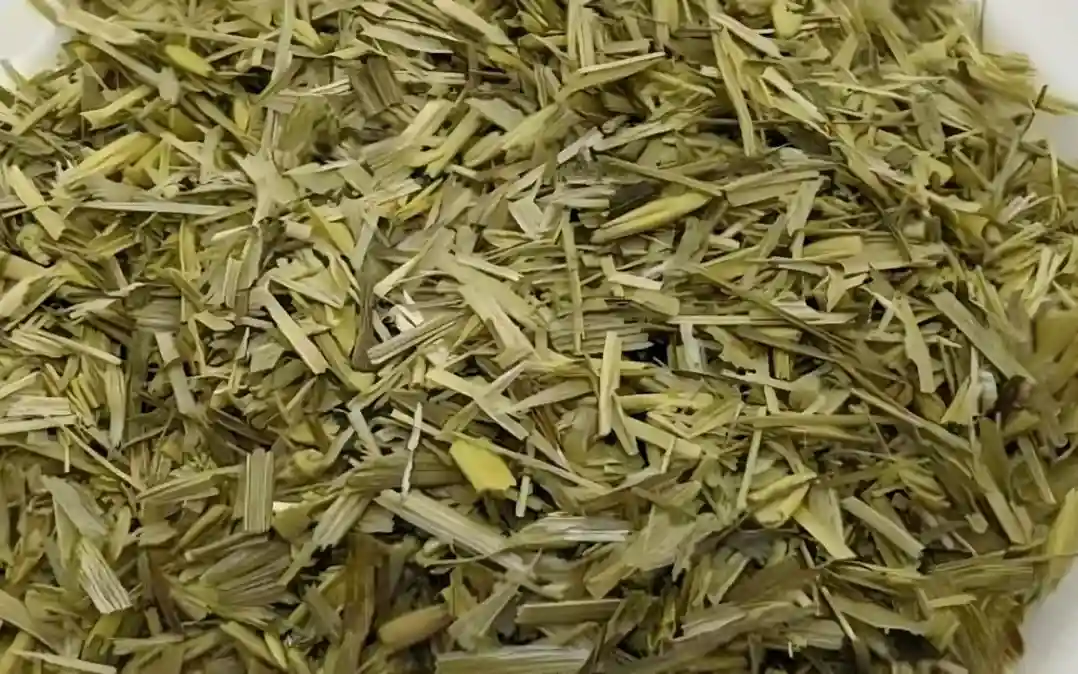
For grazing species, especially, fiber isn’t just a nice-to-have; it’s the backbone of the whole diet. Their digestive tracts evolved around a steady stream of fibrous plant material, and skimping on that tends to show up sooner or later in ways nobody wants to deal with. Fresh grazing is wonderful when it’s an option, but let’s be honest, most of us can’t offer a fresh pasture year-round. That’s where dried grasses earn their keep. They give us a practical way to keep meals centered on fiber even in the dead of winter or during a busy stretch when there’s no time to forage. When shopping to buy tortoise grass online, we’ve learned it pays to look closely at sourcing and processing. A grass that’s been minimally handled and cleanly harvested holds onto more of what actually matters, and it shows in how the tortoise responds to it.
Don’t Let Your Tortoise Talk You Into a Rut
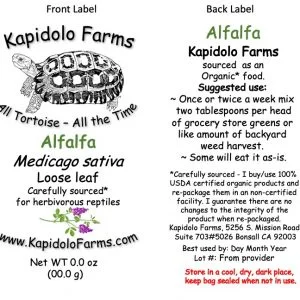
One mistake we see constantly, and honestly one we’ve made ourselves, is falling into the trap of feeding the same two or three greens over and over simply because the tortoise seems to love them. It’s an easy habit to slip into. But wild tortoises never eat the same plant day after day, and that variety isn’t just about keeping things interesting; it’s tied directly to getting a broader spread of nutrients. Working in dried botanicals like moringa, mulberry, dandelion, alfalfa, and red clover helps recreate a bit of that natural grazing pattern indoors, and it can noticeably round out the fiber and nutrient profile of meals, particularly on days when grocery greens are doing most of the heavy lifting.
What’s Actually Worth Keeping on Hand
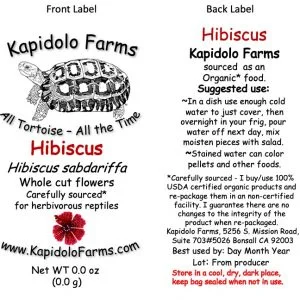
The good news is that none of this requires a pantry stuffed with obscure products. A handful of dependable staples covers most of what’s needed. High-fiber dried grasses and hays give you a base for regular grazing. Organic botanical blends built around ingredients like moringa, mulberry, cactus flour, dandelion, or red clover add depth. Dried edible flowers bring in a bit more variety without much fuss. A calcium source suited to your particular species rounds out the mineral side of things. Fresh greens such as endive, escarole, frisée, radicchio, and arugula fill in when they’re available. And of course, clean water needs to be refreshed daily, which sounds obvious but gets overlooked more than people admit. Having these on hand means meals don’t have to hinge entirely on what the produce aisle happens to stock that week.
Storage Is More Important Than Most People Assume
Even the best ingredients lose their value if they aren’t stored properly. Dried grasses and botanical blends are surprisingly sensitive to humidity, heat, and direct light, and letting them sit out or in a warm cupboard can quietly degrade them long before they look spoiled. Airtight containers kept somewhere cool and dark solve most of this. It’s a small habit, but it protects the nutritional quality you paid for and cuts down on waste, especially useful during stretches when fresh options are scarce.
Fruit Has Its Place, Just Not a Big One
Tortoises tend to go a little wild for anything sweet, and it’s tempting to keep offering fruit because they clearly enjoy it. But fruit works best as an occasional treat rather than a regular menu item. The issue isn’t that a small piece of fruit does any real harm; it’s that too much of it starts crowding out the fibrous plants that actually keep digestion running smoothly. Cactus fruit or berries here and there add a nice bit of variety, but the everyday foundation should stay rooted in grasses and leafy, fiber-rich plants.
Buy From People Who Actually Understand This
There’s a real difference between generic pet food and products built specifically with herbivorous tortoises in mind. Ingredient choices matter more than most casual shoppers realize. A supplier who genuinely understands tortoise nutrition can steer owners toward foods based on natural grazing behavior rather than just convenience. Whenever we buy tortoise grass online, we look for that kind of expertise behind the product, because it tends to show up in the quality.
Conclusion
None of this has to be complicated. What matters most is steady access to fiber, a rotating variety of safe plants, fresh water, and sensible limits on supplements and treats. Choosing a reliable tortoise food store makes it much easier to build a balanced feeding routine with quality ingredients. At Kapidolo Farms, we’ve built our approach around that same idea, offering quality grasses and botanicals that make it easier to feed your tortoise the way nature intended, one season at a time.