
If you’re planning to care for a pet tortoise, researching important aspects of their care is essential. Beyond basic needs like food and habitat, you must understand the common diseases that affect tortoises. Here at Kapidolo Farms, we offer tortoise food, diet items, and supplies to keep your pet healthy. In this blog post, we’ll explore the most common diseases of tortoises, their symptoms, and how to prevent them. Keep reading to become a more informed tortoise owner.
Just like other pets, tortoises are susceptible to various diseases. That’s why staying aware of your pet tortoise’s health and overall wellbeing is crucial for their long-term survival.
Common Diseases That Affect Tortoises
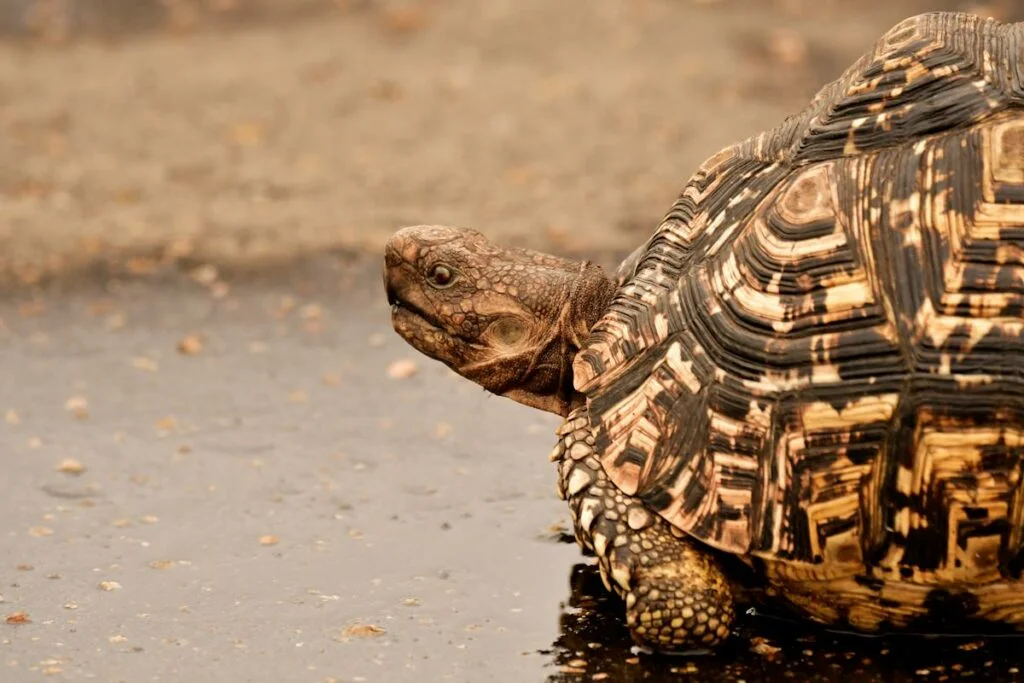
The most common diseases affecting tortoises include abscesses, cloacoliths, metabolic bone disease, parasites, pyramiding, respiratory diseases, shell infections, shell trauma, and vitamin A deficiency. Understanding these conditions helps you recognize problems early and seek appropriate treatment.
Metabolic Bone Disease (MBD)
Metabolic bone disease occurs when there’s an imbalance of calcium and phosphorus in your tortoise’s diet. This condition affects tortoises that are fed improper diets, don’t receive enough UV light exposure, consume too much protein, or experience a combination of poor diet and insufficient UV lighting.
Signs of Metabolic Bone Disease
Tortoises affected by MBD typically display:
- Misshapen shell or deformed bones in one or all legs
- Slow growth that prevents reaching full adult size
- Pathological fractures in one or all legs due to weak bones
- Flimsy, pliable shell, even in tortoises over six months old
Early detection and proper treatment are essential to prevent permanent damage.
Pyramiding
Pyramiding occurs when a tortoise develops pyramid-shaped scutes on its upper shell (carapace). This condition is most evident when the scute, or individual sections forming the upper and lower shell, become abnormally raised.
While not fully understood, pyramiding commonly affects young tortoises when environmental temperature and humidity aren’t optimal. It may also result from imbalances in calcium, phosphorus, or protein intake. Proper environmental conditions and balanced nutrition during the growth phase help prevent this condition.
Vitamin A Deficiency (Hypovitaminosis A)
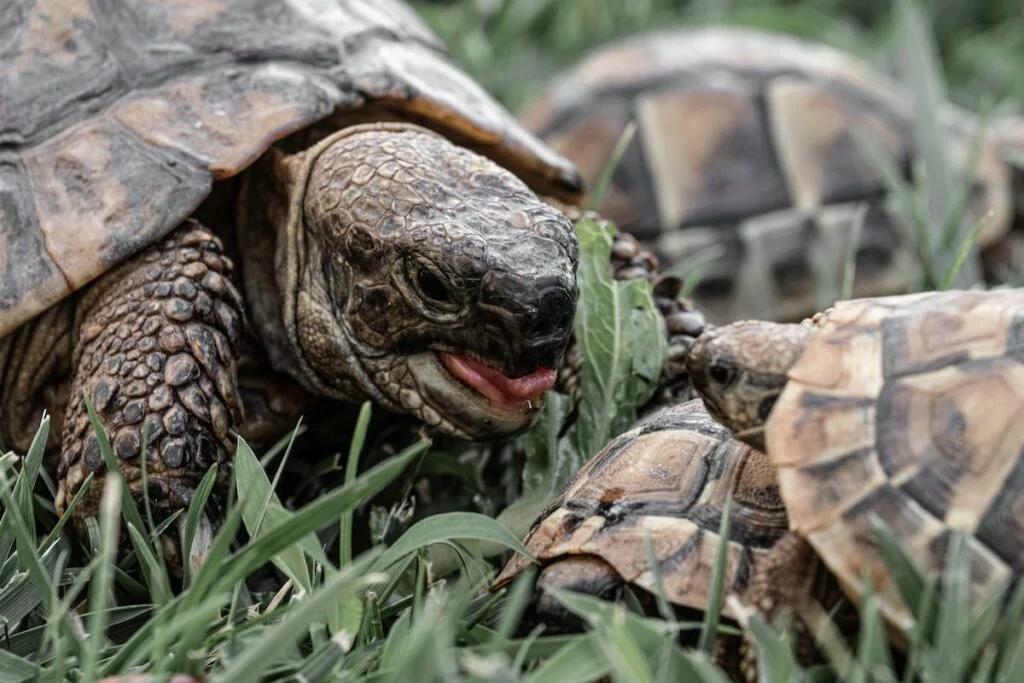
Vitamin A deficiency, also called hypovitaminosis A, occurs when tortoises are fed improper diets. Many pet owners mistakenly believe tortoises can thrive on just lettuce, meat, or low-quality commercial diets. This nutritional imbalance predisposes tortoises to hypovitaminosis A.
Effects of Vitamin A Deficiency
Failing to provide adequate vitamin A causes changes in:
- The epidermis (outer layer of skin)
- Mucus-producing glands
- Membrane lining of the eyes, mouth, kidneys, and upper respiratory tract
Symptoms Include:
- Loss of appetite
- Lethargy and weakness
- Swelling of the eyelids
- Pus-like discharge from the eyes
- Swelling of the ears (ear abscess formation)
- Upper respiratory infections
- Kidney failure in adult tortoises
Respiratory Tract Infections
Respiratory infections are caused by mycoplasma (bacteria) or bacterial infections resulting from viral infections. The most common viral infections affecting tortoises are Herpesvirus and Ranavirus. These infections often occur secondary to vitamin A deficiency.
Symptoms of Respiratory Infection:
- Excess mucus in mouth, nose, and eyes
- Lethargy and poor appetite
- Wheezing sounds
- Extending neck to breathe properly
- Opening mouth to breathe or gasp for air
If you notice these symptoms, seek veterinary care immediately, as respiratory infections can quickly become life-threatening.
Abscesses
Abscesses occur when tortoises develop infections with pus-filled, inflamed tissues. These appear as hard, tumor-like swellings on the skin or other body parts. The pus is thick and dry, with a texture and consistency similar to cottage cheese. Abscesses commonly appear in the ear and mouth, presenting as large swellings on the side of the head near the eyes or mouth. Tortoises with abscesses are often experiencing vitamin A deficiency. Mouth abscesses produce thick nasal discharge or mucus around the mouth.
Shell Infections

Shell infections, also known as shell rot or SCUD (Septicemic Cutaneous Ulcerative Disease), are typically caused by bacteria, fungi, or parasitic infections. These infections often occur following bites, burns, or trauma.
Shell infections can penetrate deep shell layers, causing ulcers or pitting. The infection may extend to the underlying bone. Deep ulcerations can result in life-threatening disease if left untreated. The outer shell layer protects the bone underneath and the vital organs housed within the shell.
Shell Trauma
Shell trauma is common in pet tortoises and can occur due to interactions with other household pets. An unsupervised dog might chew on a tortoise’s shell, causing puncture wounds or breaking large shell sections. In severe cases, this exposes the tortoise’s internal organs. The shell is made of keratin covering the tortoise’s bony skeleton. Significant shell damage can result in life-threatening bone infections, especially without proper treatment.
Tortoise Fighting Behavior
If you keep multiple tortoises, be aware that some species fight, especially males competing for mates or territory. Common fighting species include:
- Angulate Tortoises
- Galapagos Tortoises
- Gopher Tortoises
- Serrated Tortoises
- Sulcata (African Spurred) Tortoises
These tortoises head-butt, ram, and flip each other, particularly during breeding season, to establish dominance. Bite wounds from other tortoises can cause traumatic injuries to the neck and legs.
Reasons for Fighting:
- Mating – Male tortoises fight other males for access to females during breeding season.
- Territory – Tortoises may fight over resources, burrows, or prime foraging locations.
- Dominance – Fighting establishes hierarchy, especially regarding mating rights and territorial claims.
Fighting Behaviors in Tortoises:
- Head Bobbing and Ramming – Tortoises use their heads and shells to push and strike rivals.
- Flipping – Tortoises try to get underneath opponents to flip them onto their backs—a vulnerable position.
- Gular Horns – Some species, like Gopher tortoises, use projections on their bottom shell (plastron) to push rivals.
Cloacoliths
Cloacoliths occur when there’s a blockage of the cloaca caused by accumulated urates (crystallized urine). Large cloacoliths can block the cloaca—the opening where intestinal and urinary tract excretions exit the tortoise’s body.
A tortoise with a cloacolith will strain during bowel movements and often vocalize while straining. This is an emergency condition requiring immediate veterinary attention.
Parasites
Tortoises are susceptible to gastrointestinal parasites like roundworms and flagellated protozoa. Parasitic infections often show no obvious clinical signs and are only detected during routine fecal examinations by veterinarians. Severe parasitic infections can cause diarrhea and weight loss requiring immediate treatment. Regular fecal exams help catch parasite problems before they become serious.
Recognizing When Your Tortoise Is Sick

When a tortoise is sick, watch for warning signs. Nasal discharge often indicates respiratory infection. The most common illness indicators are poor appetite and lethargy. Always monitor your tortoise for sudden changes from normal behavior. If you notice any concerning symptoms, immediately bring your pet tortoise to a licensed veterinarian who specializes in reptiles. Early intervention significantly improves treatment outcomes.
Prevention Is Key
Preventing disease is always better than treating it. Here are essential prevention strategies:
- Proper Diet – Feed a balanced diet appropriate for your tortoise species, rich in calcium and vitamin A.
- UV Lighting – Provide adequate UVB lighting to enable proper calcium metabolism.
- Appropriate Environment – Maintain correct temperature and humidity levels for your tortoise species.
- Regular Veterinary Checkups – Schedule annual exams with a reptile veterinarian, including fecal parasite checks.
- Safe Housing – Protect your tortoise from other pets and environmental hazards.
- Species-Appropriate Care – Research your specific tortoise species’ needs, as requirements vary.
Get Quality Supplies from Kapidolo Farms
Do you own a pet tortoise? If you’re searching for a reliable supplier of food, diet items, and supplies for your pet tortoise, Kapidolo Farms is here to help. We ship orders to different parts of the USA, making quality tortoise care accessible wherever you live. Our products are specifically formulated to meet the nutritional needs of various tortoise species, helping prevent many of the diseases discussed in this guide.
Have questions about tortoise care or need advice on the best products for your pet? Give us a call at (215) 483-7675 or send us an email at kapidolofarms@gmail.com. Choose Kapidolo Farms for all your pet tortoise needs and give your shelled companion the healthy, happy life they deserve. Contact us today, we’re here to help you provide the best care possible!