
Feeding a tortoise well is not always about finding one perfect food and offering it every day. In practice, variety can make a feeding routine more useful, flexible, and interesting. Backyard Harvest foods offer one way to bring more plant diversity into the bowl through harvested leaves, herbs, flowers, grasses, and other botanicals that can complement fresh greens. Grocery-store greens can vary considerably depending on the season and where you live, so having suitable dried plant materials available gives us another practical option. This guide looks at Backyard Harvest from that perspective, with an emphasis on variety, moderation, fiber, and making sensible choices for a weekly feeding routine.
What Does Backyard Harvest Mean?
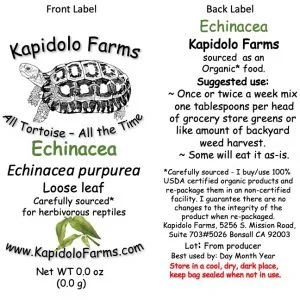
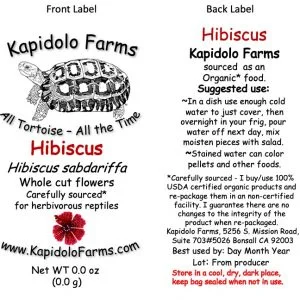
When we use the term Backyard Harvest, we are talking about plant-based diet items prepared from harvested botanicals that can be added to a tortoise’s feeding routine. The selection can include leaves, herbs, flowers, grasses, and other plant materials that have been appropriately gathered and prepared. The point is not to turn feeding into a project of identifying and collecting random plants from your own yard. What matters is knowing what the botanical is, where it came from, how it was prepared, and whether it makes sense for the tortoise’s overall diet. Proper sourcing and preparation give keepers a more dependable way to introduce different plant materials without making feeding unnecessarily complicated.
Why Does Variety Matter for Tortoises?
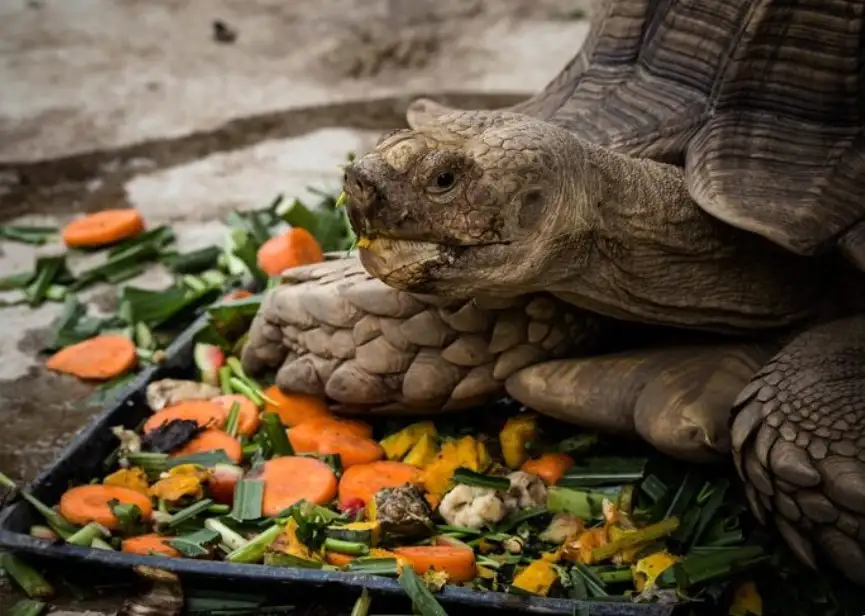
Tortoises do not naturally encounter one standardized food every day. Their available plant foods can change with location, season, and what is growing around them. We can reflect some of that diversity in captivity by rotating suitable foods instead of relying heavily on the same few ingredients. Variety also has a behavioral side that is easy to overlook. Different smells, textures, and tastes give a tortoise something new to investigate, which is why we view variety in food as a form of behavioral enrichment. A tortoise showing extra interest when a favorite botanical appears in the bowl is a simple reminder that feeding can be more engaging than putting the same greens down every day.
What Can We Add to a Varied Feeding Routine?
Building variety does not mean buying dozens of products or making every meal complicated. We can work with the fresh greens available locally and use suitable botanicals to broaden the selection throughout the week. Some practical categories include:
- Leafy greens: Chicories, arugula, and suitable leaf lettuces can provide a useful fresh foundation.
- Dried botanicals: Leaves, herbs, and flowers can introduce different textures and plant types.
- Fiber-rich materials: Suitable dried grasses and other plant materials can complement fresh greens.
- Botanical rotation: Moringa, mulberry, dandelion, nettle, and other appropriate plants can provide different options.
- Occasional variety: Suitable seasonal foods can be introduced without making every meal completely different.
The goal is not to create a complicated feeding formula. We can simply rotate appropriate foods throughout the week and allow the overall selection to become more diverse over time.
How Can Harvested Foods Complement Fresh Greens?
Fresh greens can be an important part of a tortoise’s feeding routine, but the selection available at one grocery store may look very different from what is available somewhere else in America. Chicories such as frisée, endive, escarole, and radicchio can be excellent choices when available, while arugula and suitable leaf lettuces can also contribute variety. Stronger greens such as mustard, collard, or kale can be rotated in moderation rather than becoming the entire fresh selection. Dried botanicals give us another way to broaden the plant selection when grocery choices are limited. They are not automatically a replacement for fresh foods. Instead, they can complement what is already being offered and help create a more varied weekly routine.
What Should We Look For in Harvested Tortoise Foods?
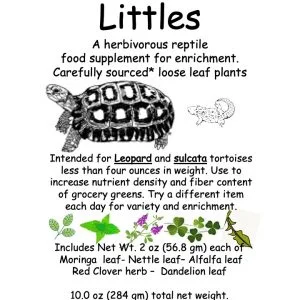
When buying tortoise food for sale, it’s helpful to look beyond the appealing packaging and focus on what’s actually inside. We propose checking out the botanical ingredients, where they come from, how they are prepared, and whether or not the product gives a genuine variation rather than just reiterating one plant in a new form. A useful selection may contain ingredients such as mulberry, moringa, alfalfa, dandelion, nettle, grasses, or other appropriate botanicals, depending on the product. We also consider whether the food fits naturally into the keeper’s existing feeding routine. When evaluating the best fresh harvested tortoise food, the most useful question is not simply whether a product sounds appealing, but whether its ingredients make sense as part of a varied diet.
How Should Harvested Foods Fit Into a Weekly Routine?
There is no need to turn ordinary feeding into a constant exercise in weighing and calculating exact percentages. We prefer a practical approach based on variety, moderation, and the foods that are actually available. Fresh greens can be combined with suitable dried botanicals, with different ingredients rotated across the week rather than relying heavily on one favorite. Root crop greens and stronger greens can also appear as part of a broader selection instead of taking over the entire fresh-food portion. The important thing is the overall pattern. If you want to buy fresh tortoise harvest, think about how the product will fit into the complete weekly feeding routine, not just whether the tortoise likes it on the first try.
Choosing Food With Variety in Mind
When we discuss tortoise food for sale, the conversation should go beyond finding something a tortoise will readily eat. Tortoises can develop strong preferences for particular foods, but a favorite does not have to become the only food offered. We encourage keepers to look at the complete selection being provided and consider how different botanicals can complement one another. This approach also gives us flexibility when grocery-store choices change from season to season or from one location to another. A varied pantry can make it easier to adjust the feeding routine without depending on a single green or botanical all the time.
Conclusion
Backyard Harvest gives tortoise keepers a practical way to broaden the plant materials available at feeding time. Instead of looking for one food that does everything, we can combine suitable fresh greens with a rotating selection of harvested botanicals. That keeps the routine flexible while giving the tortoise more variety to explore. Explore the Backyard Harvest selection from Kapidolo Farms and choose botanical options that fit the foods already being offered, the available fresh greens, and the overall feeding routine. Variety does not need to be complicated. It simply needs to become part of the routine.
FAQs
1. What is Backyard Harvest tortoise food?
Backyard Harvest includes prepared leaves, herbs, flowers, grasses, and other harvested botanicals that can complement a tortoise’s regular diet.
2. Why is variety important in a tortoise’s diet?
Variety introduces different plant types, textures, and flavors while making feeding more interesting and enriching.
3. Can dried botanicals be fed with fresh greens?
Yes, suitable dried botanicals can complement fresh greens and help broaden the plant selection throughout the week.
4. What should I consider when choosing harvested tortoise foods?
Consider the ingredients, sourcing, preparation, and how the food fits into the tortoise’s overall feeding routine.
5. How often should tortoise foods be rotated?
Suitable foods can be rotated throughout the week to create variety without making the feeding routine unnecessarily complicated.