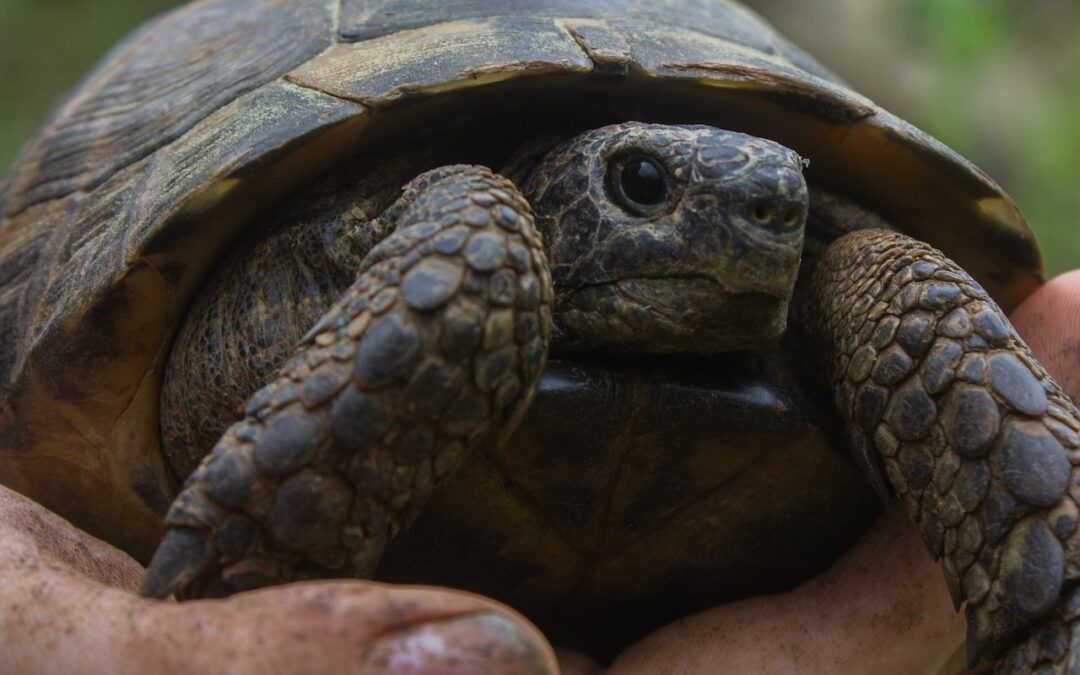
When you think of deeply expressive pets, golden retrievers or Siamese cats might come to mind long before a shelled reptile, but if you ask any dedicated tortoise keeper, they will unequivocally confirm that our slow-moving companions possess rich, distinct, and vibrant personalities.
The Science Behind Reptile Personalities

#image_title
For decades, the scientific community largely viewed reptiles as instinct-driven automatons, creatures solely motivated by the basic needs of survival: thermoregulation, food, and reproduction. However, modern ethology (the study of animal behavior) has shifted this perspective dramatically.
Researchers now recognize what they call “behavioral syndromes” in reptiles. This term refers to consistent individual differences in behavior across various situations—which is essentially the scientific definition of “personality.”
Studies on turtles and tortoises have shown that even as hatchlings, individuals from the exact same clutch can display vastly different temperaments. When exposed to a novel object or a perceived threat, some neonates will retreat into their shells and stay hidden for an hour, while their siblings might peek out within seconds and march directly toward the unknown.
These baseline traits of boldness, shyness, exploration, and aggression remain remarkably consistent throughout a tortoise’s potentially century-long life.
5 Fascinating Ways Tortoises Show Their Quirks
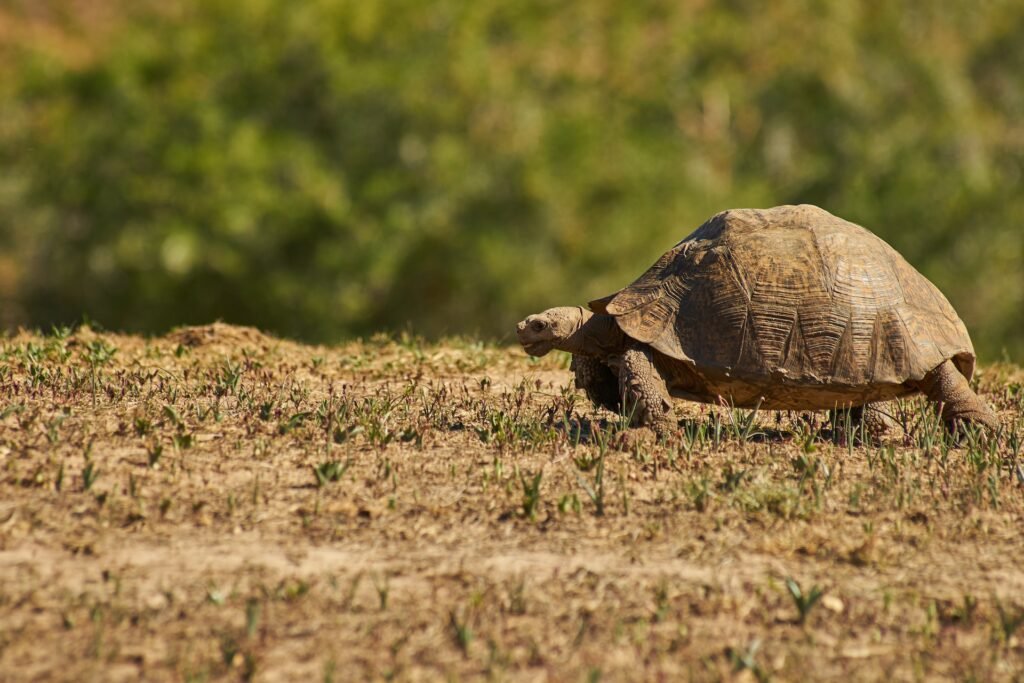
If you spend enough time observing your shelled friend, you will quickly realize they are far more than just walking rocks. Here are five distinct ways tortoises put their unique personalities on full display.
1. The Spectrum of Boldness and Shyness
The most immediately obvious personality trait in any tortoise is its level of boldness. A bold tortoise is the “extrovert” of the reptile room. When you approach their enclosure, a bold tortoise will actively walk toward the glass or the edge of their table.
They are fearless explorers during outdoor grazing time, marching confidently through tall grass without a second thought. They are unbothered by loud noises, sudden movements, or the presence of other household pets.
On the flip side, a shy tortoise is highly cautious. This is the tortoise that immediately pulls its limbs in with a loud hiss of expelled air the moment a shadow passes overhead. A shy individual requires patience. They prefer heavily planted enclosures with multiple hides and take their time assessing a new environment before taking a single step. Over time, a shy tortoise can learn to trust its keeper, but their inherent caution is a deeply ingrained aspect of who they are.
2. Food Preferences and Begging Tactics
Any keeper who has tried to introduce a new healthy green to a stubborn tortoise knows that these animals have incredibly strong culinary opinions. While diet is often species-specific, individual food preferences highlight unique personalities. You might have two Hermann’s tortoises housed separately; one might absolutely devour dried hibiscus flowers, while the other refuses to touch them, holding out exclusively for dandelion greens.
Beyond just what they eat, how they ask for food shows immense character. Some tortoises are polite grazers, eating what is offered and then wandering away. Others are dramatic beggars. A highly food-motivated tortoise might track your movements across the room, pacing endlessly at the barrier of their enclosure, or even standing on their hind legs against the glass to demand their daily weeds. Some will even aggressively head-butt your shoes if you are late delivering their morning meal!
3. Human Interaction and Tactile Preferences

While tortoises don’t experience “love” in the mammalian sense, they absolutely recognize their keepers and can exhibit a strong desire for interaction. A tortoise with a social personality will often seek out human contact. They learn to associate your voice, your shape, and your specific footfalls with positive experiences.
One of the most charming personality quirks is how a tortoise responds to being touched. Tortoises have nerve endings in their shells, allowing them to feel every touch, scratch, and scrub. Some tortoises possess a “cuddly” personality and will actively lean into a shell scratch.
They will perform what keepers affectionately call the “booty wiggle”—shifting their back end side-to-side to help you hit the perfect itchy spot on their carapace. Other tortoises are strictly hands-off, tolerating your presence but preferring not to be touched.
4. The Urge to Redecorate (The Bulldozer Trait)
Tortoises are notoriously stubborn when it comes to their environment, but some take it to an extreme. The “interior designer” or “bulldozer” personality is a tortoise that refuses to accept the way you have set up their home.
You might carefully place a log, a food slate, and a water dish in aesthetically pleasing positions, only to wake up the next morning and find the tortoise has aggressively rammed the log to the other side of the enclosure, flipped their food slate, and dug a massive crater precisely where they aren’t supposed to.
Some tortoises have a compulsive need to climb and conquer obstacles, while others prefer to dig and burrow. A deeply curious tortoise will investigate every single new item placed in their space, smelling it, taking a test bite, and walking over it. A more apathetic tortoise might completely ignore a new hide for weeks.
5. Social Dynamics with Other Tortoises
While tortoises are generally solitary and territorial animals, their interactions with their own kind reveal complex personality dynamics. In group settings (where species and space safely allow), clear social hierarchies form based on individual temperaments.
An aggressive, dominant tortoise will constantly display head-bobbing behaviors, assertively ramming others to claim the best basking spot or the freshest piece of food. A submissive tortoise will actively yield space, retreating to a quiet hide to avoid conflict.
Even in harmonious pairs, you will often find that one tortoise is the “leader” who initiates grazing and exploration, while the other is the “follower” who simply copies the bold behavior of their companion.
What Shapes a Tortoise’s Personality?
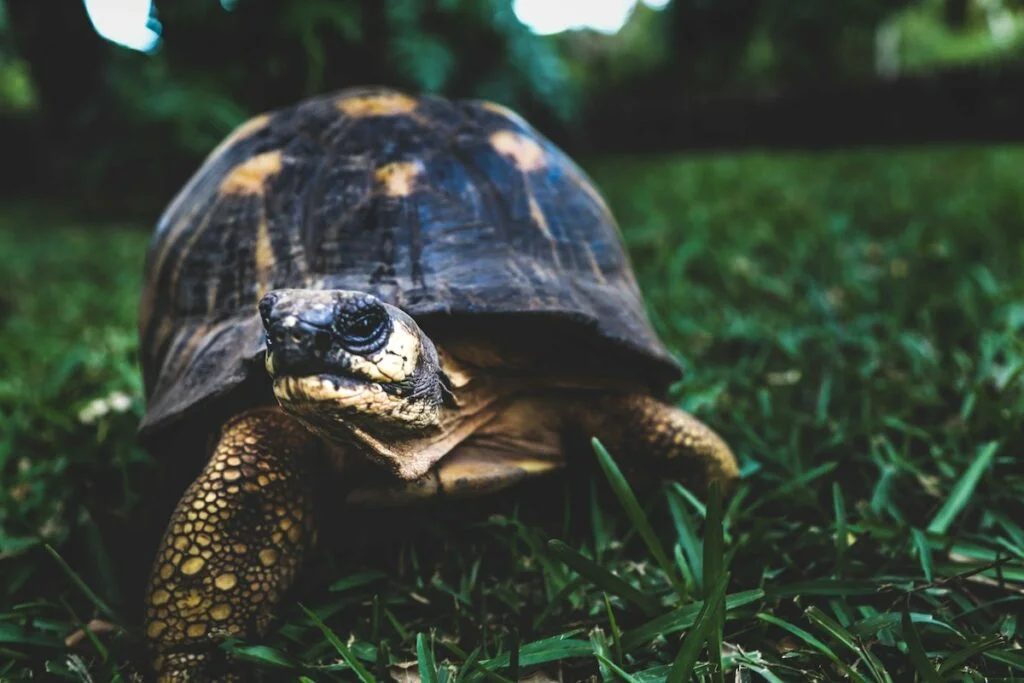
While some traits are baked into a tortoise’s DNA from birth, personality is heavily influenced by a combination of genetics, species type, and environmental factors.
Species Tendencies
Generalizations can often be made by species. Russian Tortoises are famous for being scrappy, fearless, and relentless climbers. Sulcatas are known for their outgoing, puppy-like demeanor, which is matched only by their incredible destructive power as they grow. Red-Footed Tortoises are often described as inquisitive, intelligent, and highly responsive to their owners. Leopard Tortoises tend to be a bit more aloof and shy, taking longer to warm up to handling.
Environmental Influence
The most profound factor in allowing a tortoise’s personality to blossom is their environment. A tortoise kept in inadequate conditions—a tank that is too small, temperatures that are too low, or a lack of mental enrichment—will not show its true character. Stress, fear, and lethargy mask personality. When a tortoise is provided with the correct lighting, heat, vast space, proper humidity, and a rich, varied diet, they feel secure. It is only in this state of security that a tortoise feels comfortable enough to display its quirks, boldness, and curiosity.
Recognizing Your Pet’s Unique Character
Understanding that your tortoise has a personality is the key to providing exceptional husbandry. When you recognize that your specific pet is shy, you can add more visual barriers and hides to make them feel safe. When you notice they are a bold climber, you can safely add varying elevations to their enclosure for mental stimulation.
By paying close attention to their likes, dislikes, habits, and moods, you transcend basic pet care and enter into a rewarding, lifelong relationship with a fascinating animal. You will quickly learn that a tortoise isn’t just a pet you watch in a box; it is a creature with a distinct mind of its own, capable of bringing decades of joy, frustration, and endless amusement into your life.
If you want to cater to your tortoise’s unique personality, especially when it comes to their favorite healthy treats and dietary needs, we are here to help. At Kapidolo Farms, we provide a wide variety of premium, natural tortoise diets, seeds, and botanical treats to keep your unique reptile happy and thriving. Reach out to us at 215-483-7675 or email kapidolofarms@gmail.com to discover the perfect dietary enrichment for your shelled companion.