With dozens of species available in the pet trade, choosing the right one for your household is not as simple as picking the cutest hatchling at the reptile expo. Different species have vastly different requirements for space, diet, temperature, and humidity. A tortoise that thrives with one family might completely overwhelm another.
If you find yourself asking, “How do I choose the right tortoise for my family?” you are already on the right track. Asking the right questions is the first step toward responsible reptile guardianship. To help you navigate this exciting decision, here are seven essential tips and tricks for finding the perfect shelled companion for your household.
How to Choose My Family’s Tortoise
1. Understand the Generational Lifespan Commitment
When you adopt a dog or a cat, you are typically making a 10- to 15-year commitment. When you bring home a tortoise, you might very well be adopting a family heirloom.
Tortoises are renowned for their incredible longevity. Even the smaller, more common pet species, such as the Russian tortoise or Hermann’s tortoise, can easily live for 40 to 50 years with proper care. Larger species, like the Sulcata or the Aldabra tortoise, can live well over 70 to 100 years.
Before bringing a tortoise into your family, you must have a frank discussion about the future. This isn’t merely a childhood pet for your kids to enjoy until they leave for college; it is a lifelong companion that will likely need to be cared for by your children—or even your grandchildren—later in its life.
Many dedicated tortoise keepers actually write their pets into their wills to ensure they are properly provided for if the tortoise outlives them. If your family is ready to embrace a true, lifelong commitment, a tortoise is a beautiful choice.
2. Fast Forward to Their Adult Size
One of the most common mistakes new tortoise owners make is judging a species by its hatchling size. Almost all tortoises are undeniably adorable when they are the size of a ping-pong ball. However, that tiny shell is going to grow, and depending on the species, it might grow exponentially.
If you live in an apartment or a small home with limited outdoor space, you must focus on species that stay relatively small. The Russian tortoise, for example, typically maxes out between 6 to 10 inches in shell length, making it highly manageable for indoor enclosures or modest backyard pens.
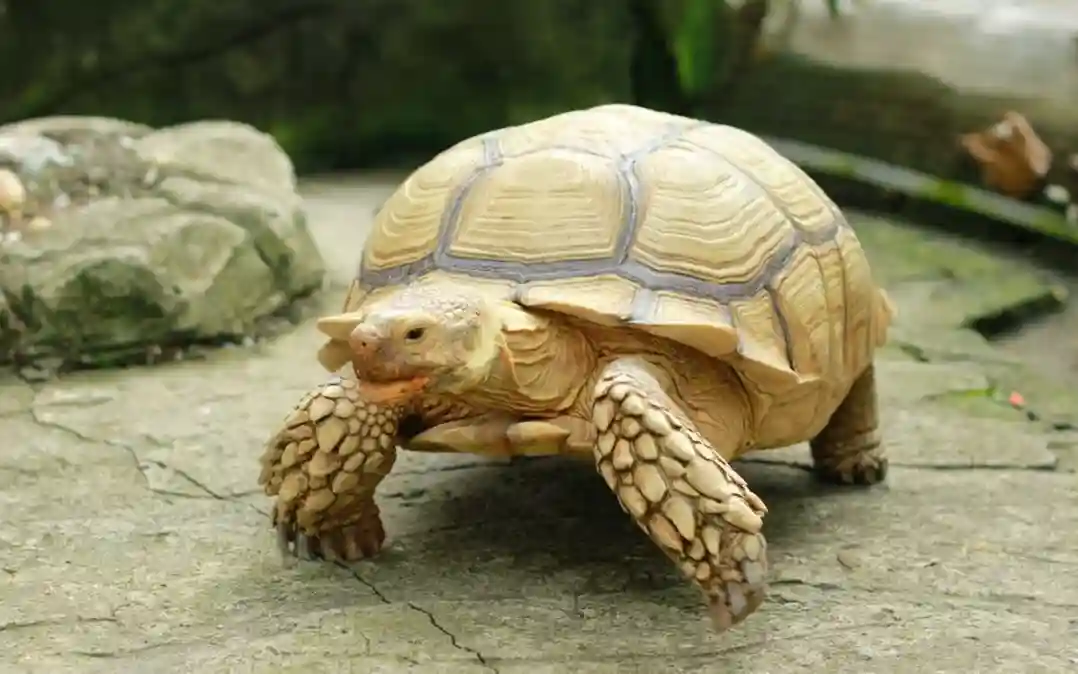
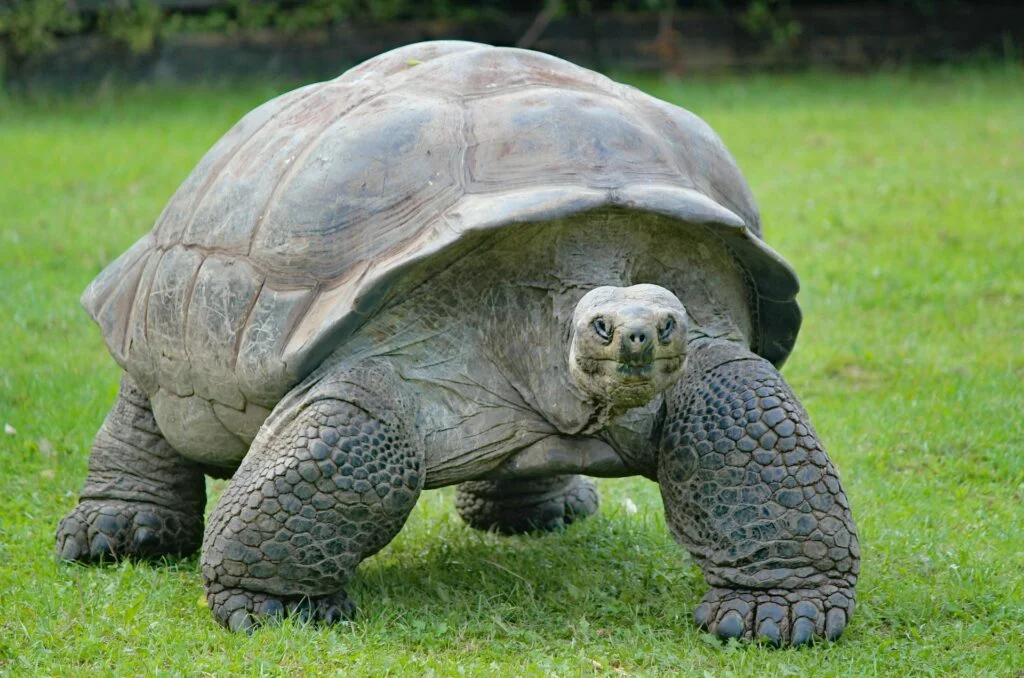
On the other end of the spectrum is the Sulcata (African Spurred) tortoise. While they are cheap and plentiful as tiny, 2-inch hatchlings, they grow into literal bulldozers. An adult male Sulcata can weigh upwards of 100 to 150 pounds and reach 30 inches in length.
They require massive, fortified outdoor enclosures, insulated and heated sheds for the winter, and can easily dig through drywall or uproot small trees. Always choose your tortoise based on its maximum adult size, not its current baby size.
3. Evaluate Your Climate and Available Outdoor Space
Where you live should heavily influence which tortoise species you choose. Tortoises are ectothermic (cold-blooded) and rely entirely on their environment to regulate their body temperature and digest their food properly.
While indoor enclosures (often called “tortoise tables”) are necessary for hatchlings and for winter housing in cold climates, almost all tortoises benefit immensely from safe, supervised outdoor time in the natural sunshine.
If you live in a hot, arid climate like the American Southwest, desert species like the Desert tortoise or the Sulcata will thrive outdoors for most of the year. If you live in a humid, subtropical climate like Florida, forest-dwelling species such as the Red-Footed tortoise or Yellow-Footed tortoise will feel right at home in your backyard.
If you live in a region with long, harsh winters, you need to consider how you will house your tortoise indoors for half the year. Some species, like Hermann’s and Russian tortoises, naturally hibernate (a process called brumation) during the cold months, which can solve the winter housing issue—provided you are willing to learn how to facilitate a safe, temperature-controlled brumation period. Tropical species cannot brumate and will require large, heated indoor enclosures year-round.
4. Factor in Specific Dietary and Nutritional Needs
Feeding a tortoise is not as simple as dumping a scoop of kibble into a bowl. Different species have evolved to process very different types of vegetation, and feeding the wrong diet can lead to severe health issues, including metabolic bone disease, kidney failure, and fatal shell deformities (pyramiding).
Generally, tortoise diets fall into a few main categories:
The Grass Grazers
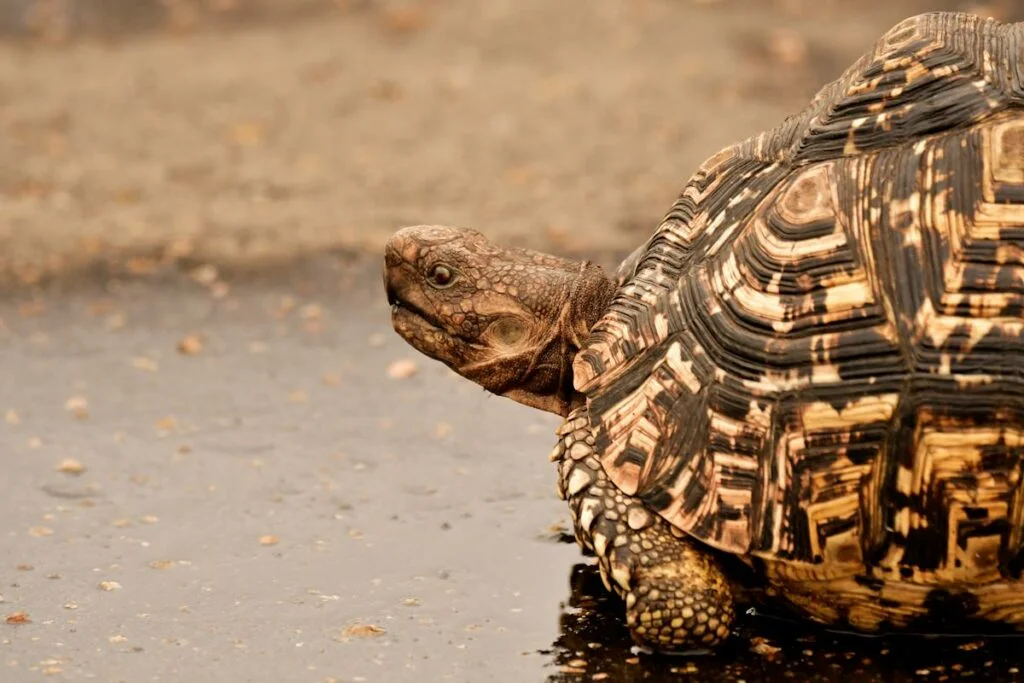
Species like the Sulcata and Leopard tortoise require diets extremely high in fiber and low in protein and fruit. Their diet should consist primarily of tough pasture grasses, hay (like Timothy or orchard grass), and safe weeds.
The Weed and Flower Foragers
Mediterranean species, such as the Russian, Hermann’s, and Marginated tortoises, thrive on a diet of broadleaf weeds, leafy greens (like dandelion, endive, and escarole), and edible flowers. They should rarely, if ever, be given fruit.
The Forest Omnivores
Species like the Red-Footed tortoise come from lush, tropical environments. Their digestive tracts are designed to handle a wider variety of foods, including a significant amount of fruit, leafy greens, and even occasional animal protein, such as a high-quality pellet or earthworms.
You must be prepared to source fresh, pesticide-free greens and specialized tortoise foods year-round.
5. Assess the True Care Budget and Setup Costs
While the purchase price of a tortoise might seem reasonable, the initial setup and ongoing maintenance can be a significant investment. Families need to budget realistically for the habitat.
A proper indoor setup requires a large enclosure—glass aquariums are generally discouraged for tortoises, as the lack of ventilation and transparent walls cause them intense stress. You will need high-quality UVB lighting, which is vital for the tortoise to metabolize calcium and grow a healthy shell. These UVB bulbs degrade over time and must be replaced every six months, even if they still emit visible light.
You must also account for basking heat lamps, precise digital thermometers, hygrometers for humidity tracking, specific substrates (like cypress mulch or topsoil mixes), and a dedicated exotic animal veterinarian. Because tortoises mask illnesses incredibly well, by the time they show signs of sickness, they often require urgent, specialized veterinary care.
6. Think About Family Dynamics and Handling Expectations
Tortoises are incredibly charming, and they certainly learn to recognize their owners (especially the one who brings the food), but they are not cuddly.
If you have very young, boisterous children who want a pet to carry around, dress up, or snuggle in bed, a tortoise is not the right choice. Tortoises are ground-dwelling creatures; being lifted high into the air triggers a predator response and causes them immense stress. Furthermore, a dropped tortoise can suffer a cracked shell, which is a painful, life-threatening, and expensive medical emergency.
Tortoises are best treated as “observational pets.” They are wonderfully interactive during feeding time, and watching them eagerly munch on a hibiscus flower or patrol their garden enclosure is deeply rewarding. Families must also practice strict hygiene, as all reptiles can naturally carry Salmonella. Thorough hand-washing after touching the tortoise or its enclosure is a non-negotiable household rule.
7. Choose a Beginner-Friendly Species (Available at Kapidolo Farms)
If this is your family’s first foray into reptile ownership, set yourself up for success by choosing a species that matches your experience level. At Kapidolo Farms, we offer several incredible species, ranging from beginner-friendly companions to prized enthusiast breeds:
Greek Tortoise (Testudo graeca)
An outstanding, hardy Mediterranean species that is highly recommended for first-time owners. They stay at a manageable size, have incredibly friendly temperaments, and live for about 50 years. We offer various subspecies from hatchlings to adults.
Red-Footed Tortoise (Chelonoidis carbonarius)
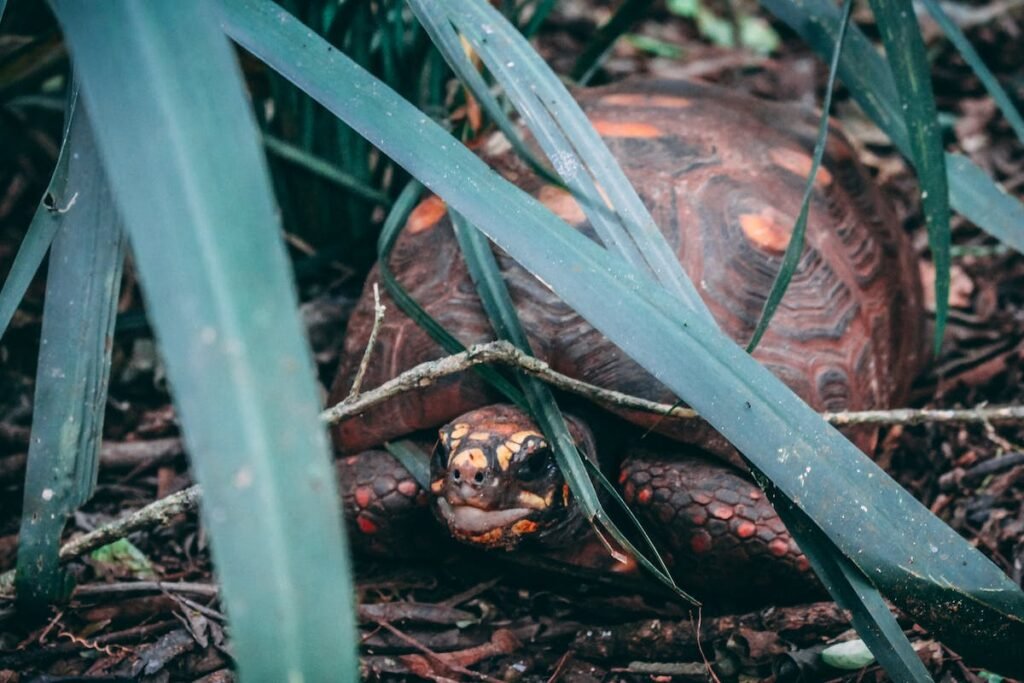
If you live in a humid environment or can diligently manage indoor humidity, Red-Foots are fantastic. Recognized by the bright red spots on their legs, they are curious, rarely shy, and highly sociable.
Prized Collector Species
For the dedicated reptile enthusiast, we also offer highly sought-after species like the Burmese Star Tortoise, Radiated Tortoise, and Asian Mountain Tortoise. While these require a larger initial investment, their breathtaking shell patterns and unique behaviors make them the crown jewels of the tortoise world.
Avoid adopting giant species like Sulcatas or difficult species like Star tortoises until you have significant experience and unlimited space.
Making Your Final Decision
Are you ready to welcome a healthy, vibrant tortoise into your home, or do you need help setting up the perfect diet and habitat for your new family member? Kapidolo Farms is dedicated to the health, nutrition, and well-being of your shelled companions.
Whether you need expert advice on species selection or want to stock up on the finest tortoise diets and supplements, we are here to help. Reach out to us today by calling 215-483-7675 or emailing us at kapidolofarms@gmail.com, and let us help you give your tortoise the longest, healthiest life possible.