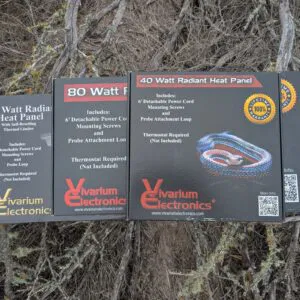

Proper thermoregulation is the cornerstone of successful tortoise husbandry. As ectothermic animals, tortoises rely entirely on their environment to regulate their core body temperature, digest their food, and maintain a robust immune system. For years, reptile keepers have relied on a combination of basking bulbs, under-tank heaters, and ceramic heat emitters (CHEs) to create the perfect microclimate. However, as the science of reptile care advances, one heating solution has rapidly emerged as a gold standard for closed-chamber enclosures: the Radiant Heat Panel (RHP).
If you are upgrading your tortoise’s habitat or building a new custom terrarium, integrating an RHP could drastically improve your animal’s quality of life. Let’s look at what these devices are and break down the seven ways a radiant heat panel can transform your tortoise terrarium.
What Is a Radiant Heat Panel?

A radiant heat panel is a flat, typically rectangular heating element designed to be mounted flush against the ceiling of a reptile enclosure. Unlike incandescent bulbs that focus intense heat into a tight, localized circle, or heat mats that warm the floor, RHPs emit broad, gentle infrared radiation. Specifically, they produce Infrared-C (IR-C) heat. This type of long-wave infrared heat warms objects, substrate, and the animal itself rather than just heating the surrounding air.
When paired with a high-quality, proportional thermostat, an RHP mimics the natural ambient warming of the earth after being baked by the sun, creating a comfortable, highly controllable environment. Here is what adding a radiant heat panel can do for your tortoise terrarium.
7 Reasons to Add a Radiant Heat Panel for Your Tortoise Enclosure
1. Creates a Naturalistic, Broad Heat Gradient
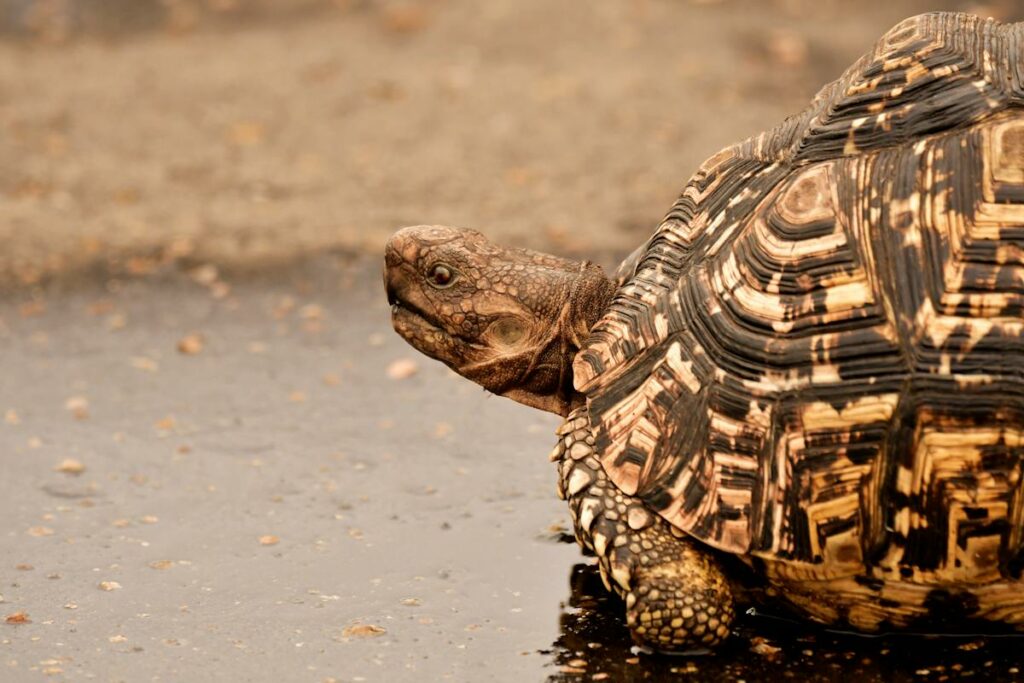
In the wild, tortoises do not sit under a tiny, pinpoint source of heat; they absorb thermal energy from the sun and the vast, sun-warmed earth around them. Traditional basking bulbs often create a highly concentrated “hot spot” that forces a tortoise to balance between being too hot in the center and too cool on the edges.
Radiant heat panels project a much wider, more dispersed thermal footprint. This broad distribution allows larger tortoises, or multiple tortoises in the same enclosure, to warm their entire carapaces evenly. By mounting the panel on one side of the terrarium, you can establish a flawless, gradual temperature gradient—from a warm basking zone on one end to a cooler retreat on the other—allowing your tortoise to thermoregulate precisely as nature intended.
2. Provides Superior Safety and Burn Prevention
Tortoises, particularly species like Russians or Sulcatas, are notorious for their climbing abilities and relentless curiosity. When using traditional heating elements like ceramic heat emitters or exposed basking bulbs inside an enclosure, the risk of thermal burns is a constant threat. If a tortoise climbs a piece of wood or stretches up against the wall and touches an exposed bulb, the resulting shell or skin burns can be catastrophic.
Radiant heat panels are designed with safety as a primary feature. While they project significant heat downward, the surface of the panel itself rarely gets hot enough to cause immediate contact burns. Even if a remarkably determined tortoise manages to touch the face of the panel, the lower surface temperature effectively eliminates the risk of severe injury.
3. Preserves Critical Enclosure Humidity
One of the most heavily discussed topics in modern tortoise keeping is the relationship between humidity and shell development. For species like Red-foots, Yellow-foots, and the hatchlings of almost all species (including arid types like Sulcatas and Leopards), high ambient humidity is required to prevent shell pyramiding.
Standard heat lamps and ceramic heat emitters are notorious for rapidly baking the moisture out of the air and substrate, making it incredibly difficult to maintain a humid microclimate. Because radiant heat panels project wide, gentle IR-C heat, they do not aggressively strip moisture from the terrarium. When used in a well-designed, closed-chamber enclosure, an RHP provides the necessary ambient heat while allowing the substrate to retain its moisture, ensuring smooth, healthy shell growth.
4. Offers Uninterrupted Nighttime Heating
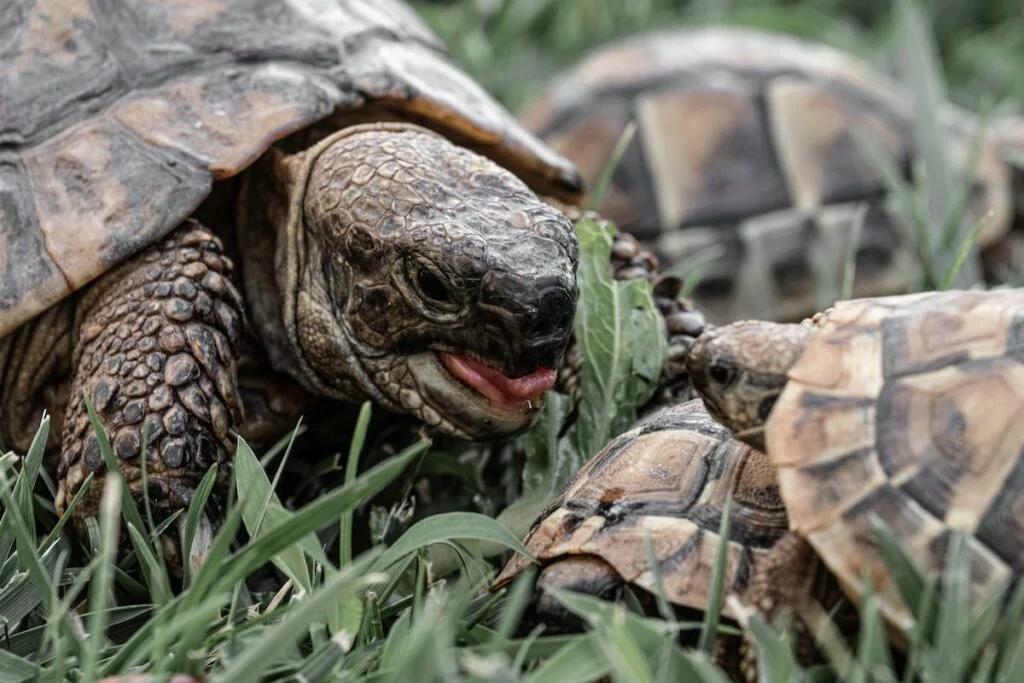
Tortoises require a distinct day-night cycle (circadian rhythm) to reduce stress and maintain natural foraging and sleeping behaviors. This means that terrariums must be completely dark at night. However, in many homes, nighttime temperatures drop below the safe threshold for tropical or juvenile tortoises.
Because radiant heat panels emit absolutely zero visible light, they are the perfect 24/7 heating solution. You can run an RHP around the clock to maintain optimal ambient temperatures or program your thermostat to provide a natural nighttime temperature drop, all without illuminating the enclosure and disrupting your tortoise’s sleep cycle.
5. Maximizes Vertical Terrarium Space
Floor space is the most critical metric for a tortoise enclosure, but vertical space matters when it comes to interior design and safety. Heat domes and suspended fixtures take up a significant amount of vertical room, limiting how high you can build the substrate layer or forcing you to build unnecessarily tall enclosures just to keep the bulbs out of reach.
Radiant heat panels feature an incredibly slim, low-profile design. They mount directly to the ceiling of a wooden or PVC enclosure, sitting virtually flush. This unobtrusive footprint keeps the heating element completely out of the way, maximizing the usable volume of the terrarium and keeping the visual focus on your tortoise and the habitat you’ve built, rather than on bulky hardware.
6. Delivers Exceptional Energy Efficiency
If you manage a large terrarium or maintain multiple enclosures, the cost of electricity to run heat lamps 24/7 can add up quickly. Because of the way radiant heat panels project thermal energy directly into the substrate and the animal, rather than simply heating the air that subsequently escapes through ventilation, they are highly efficient.
Furthermore, because they are effectively insulated on the back and sides, almost 100% of the energy consumed is directed straight down into the terrarium. Over the lifespan of the unit, the increased electrical efficiency compared to high-wattage incandescent arrays can result in noticeable savings on your utility bills.
7. Provides Unmatched Durability and Longevity
Incandescent basking bulbs, halogen floods, and mercury vapor bulbs all have one frustrating thing in common: they burn out frequently. Replacing bulbs every few months is not only an ongoing expense, but it also creates the risk of your enclosure temperatures plummeting if a bulb blows while you are at work or out of town.
Radiant heat panels are solid-state devices with no fragile filaments or glass components. When installed correctly and regulated by a reliable thermostat, a high-quality RHP can easily last for five to ten years—or even longer. The peace of mind that comes from knowing your tortoise’s heating system won’t randomly shatter or burn out is invaluable to any dedicated reptile keeper.
Essential Tips for Implementing an RHP
If you are ready to upgrade your tortoise terrarium, keep these two crucial rules in mind:
- Always Use a Thermostat: An RHP must never be plugged directly into a wall outlet. Because they are so efficient at building heat in closed spaces, they must be controlled by a reptile thermostat (preferably a proportional or dimming thermostat) to ensure the enclosure does not overheat.
- Pair with Proper Lighting: Remember that RHPs provide heat, not light or UV. You must still provide a high-quality linear UVB fluorescent tube and a bright, full-spectrum LED or halogen light (for a daytime basking spot) to ensure your tortoise receives the light and ultraviolet radiation necessary for Vitamin D3 synthesis and calcium metabolism.
Optimize Your Tortoise’s Habitat and Diet
Creating the perfect environment for a tortoise requires balancing temperature, humidity, space, and safety. Radiant heat panels excel in every single one of these categories. By upgrading to an RHP, you are investing in a naturalistic heat gradient, safeguarding your pet against burns, maintaining critical humidity for healthy shell growth, and ensuring years of reliable, maintenance-free performance.
At Kapidolo Farms, we understand that exceptional tortoise husbandry requires the best tools, knowledge, and nutrition. Whether you are setting up a new enclosure or looking for premium, natural forage to keep your tortoise healthy and thriving, we are here to help.
Contact Kapidolo Farms today! Call us at 215-483-7675 or email kapidolofarms@gmail.com Visit us online at: https://www.kapidolofarms.com/