

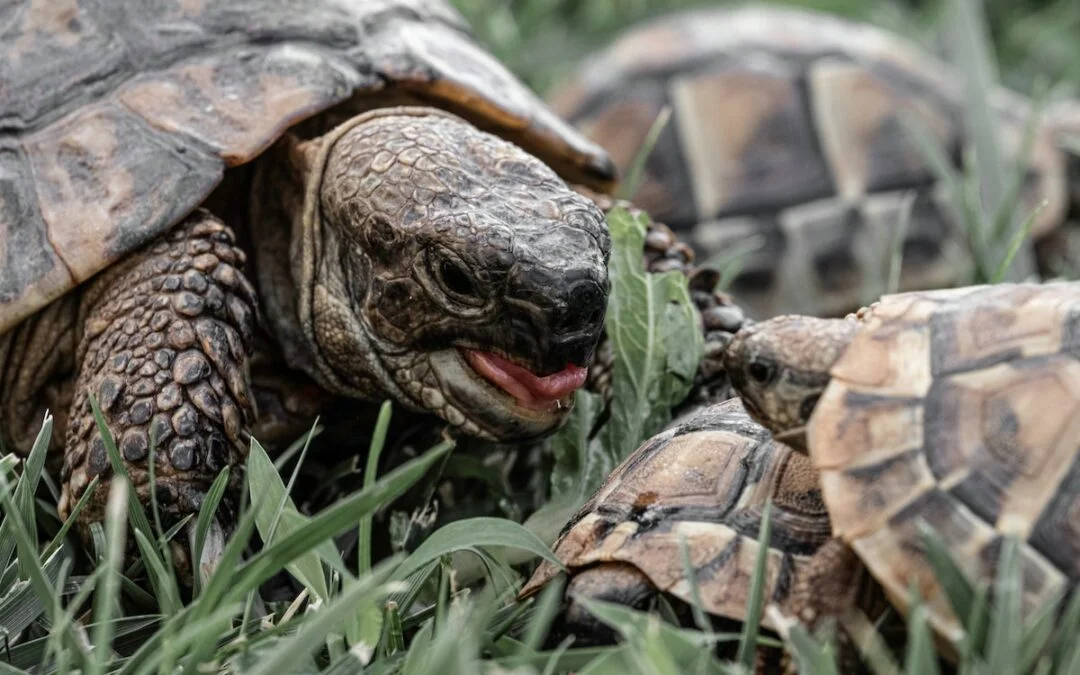
When you share your home with a dog or a cat, knowing how they feel is usually pretty straightforward. A wagging tail or a rumbling purr translates universally to happiness. But what about a tortoise? These ancient, stoic creatures don’t vocalize their joy, nor do they run to greet you at the door.
Because reptiles experience the world differently than mammals, a “happy” tortoise is best defined as a tortoise that feels secure, stress-free, and physically vibrant. They may not experience complex human emotions, but they absolutely experience comfort, contentment, and vitality.
Understanding your tortoise’s subtle cues is the key to ensuring they live their best, longest life. Here are the seven unmistakable signs that your tortoise is thriving, followed by expert advice on how to keep them that way.
7 Signs of a Healthy and Happy Tortoise
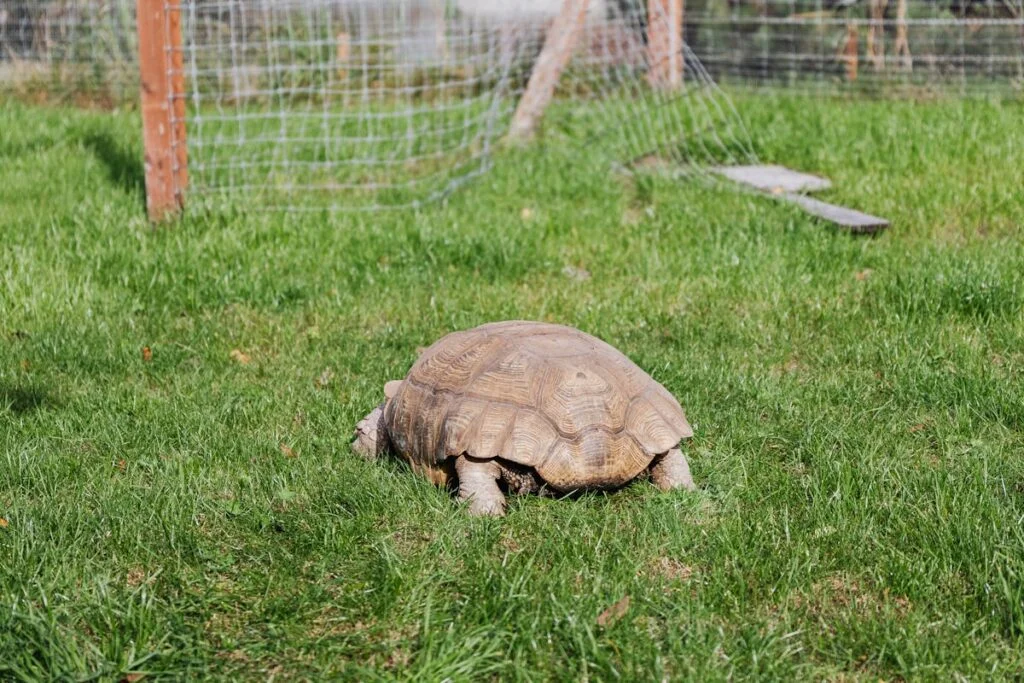
1. Bright, Clear, and Alert Eyes
A tortoise’s eyes are a direct window into its overall health and hydration levels. A happy, healthy tortoise will have eyes that are wide open, bright, and clear. They should be alert to their surroundings, watching you or tracking movement in their environment.
If a tortoise is stressed, sick, or malnourished, their eyes are often the first indicator. Sunken eyes are a classic sign of severe dehydration. Puffy, swollen, or weeping eyes can indicate a respiratory infection, a vitamin A deficiency, or inadequate humidity in their enclosure. If your tortoise greets the day with bright, curious eyes, they are feeling good.
2. A Voracious and Consistent Appetite
In the wild, tortoises spend a massive portion of their waking hours foraging for food. A thriving captive tortoise will exhibit this same enthusiasm. While appetite can fluctuate slightly with seasonal changes or minor temperature drops, a healthy tortoise is almost always ready for a meal.
They should eagerly approach their food dish or graze consistently on the edible plants in their enclosure. If your tortoise ignores its favorite greens for more than a day or two, it’s a red flag. A hearty appetite means their metabolism is firing correctly, their enclosure temperatures are optimal, and they feel secure enough to eat out in the open.
3. A Smooth, Firm Shell
A tortoise’s shell is not just a house; it is living tissue, composed of bone and covered in keratin (the same material as human fingernails). The condition of the shell tells the story of how the tortoise has been cared for over the years.
A thriving tortoise will have a shell that is firm to the touch (with the exception of naturally soft-shelled species like the Pancake tortoise) and relatively smooth. While some minor texturing is normal, severe upward growth of the individual shell scutes—a condition known as pyramiding—indicates past or present issues with diet, humidity, or UVB lighting.
A smooth shell means you are providing the perfect balance of calcium, hydration, and lighting, allowing their skeletal system to grow naturally and painlessly.
4. Active Foraging and Exploring
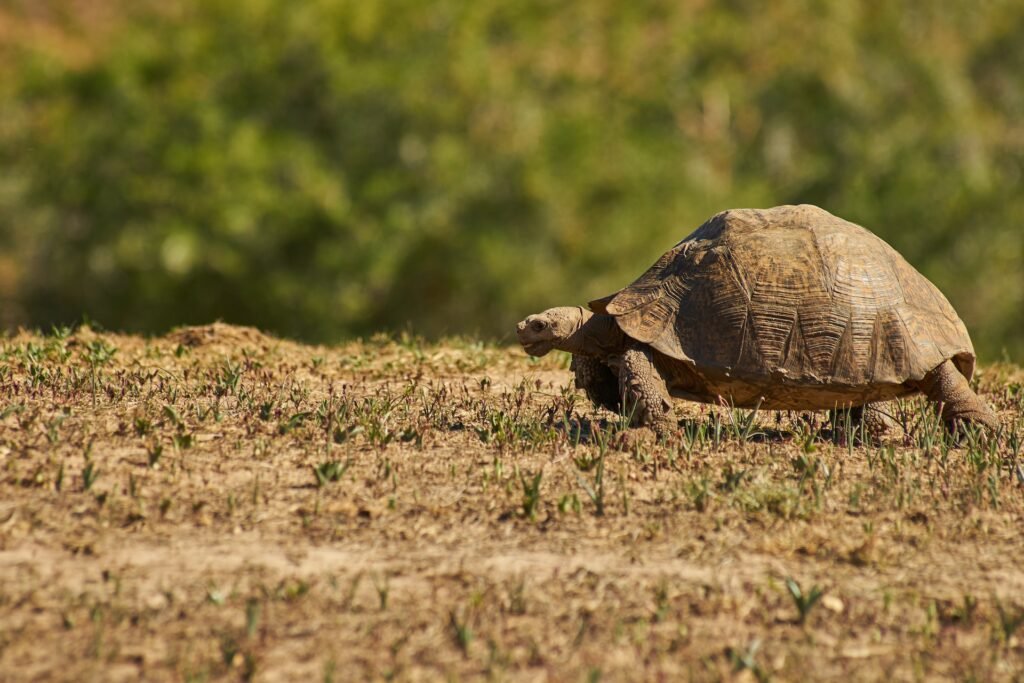
Tortoises are naturally curious animals. A contented tortoise will utilize the space you provide them. You will see them patrolling the perimeter of their enclosure, climbing over safe obstacles, digging into their substrate, and investigating changes to their environment.
Conversely, a tortoise that spends entirely all day, every day huddled in the corner of its hide box is likely stressed, too cold, or feeling vulnerable. While they absolutely need sleep and downtime, regular daily activity is a prime indicator of a comfortable, stress-free reptile.
5. The Basking “Sploot”
Like all reptiles, tortoises are ectothermic, meaning they rely on external temperatures to regulate their internal body heat. Basking under a heat lamp or in the natural sun is vital for their digestion and immune system.
When a tortoise feels incredibly safe and relaxed, they will engage in a behavior keepers affectionately call the “sploot.” They will position themselves right under the heat source, stretch their neck out as far as it will go, and kick their back legs out completely straight behind them.
This vulnerable posture maximizes their surface area for heat absorption. A tortoise will only expose its limbs like this if it feels entirely unthreatened by predators. If you catch your tortoise splooting, you can be sure they are in a state of pure relaxation.
6. Silent, Effortless Breathing
Respiratory health is notoriously fragile in captive tortoises, making their breathing a critical metric of their well-being. A thriving tortoise breathes silently. You should not hear any wheezing, clicking, or popping sounds when they exhale, nor should you see any bubbles of mucus around their nares (nostrils).
Note: You may occasionally hear a sharp “hiss” when you pick your tortoise up or startle them. This is not vocalization; it is simply the sound of the tortoise rapidly expelling air from its lungs so it can make room to quickly retract its head and limbs into the shell. This defense mechanism is normal, but resting breathing should always be silent.
7. Comfortable Interactions
While tortoises are not naturally cuddly, a happy and habituated tortoise will show a level of trust toward its keeper. A stressed tortoise will immediately suck into its shell at the sight of a shadow or the sound of your footsteps.
A thriving tortoise that feels secure in its home will eventually learn that you are the bringer of food and good things. They will stand tall on their legs when you approach, rather than retreating. They may even learn to gently take treats, like a brightly colored hibiscus flower or a slice of squash, directly from your fingers. This trust is the ultimate sign that your tortoise feels safe in your care.
How to Keep Your Tortoise Happy and Thriving
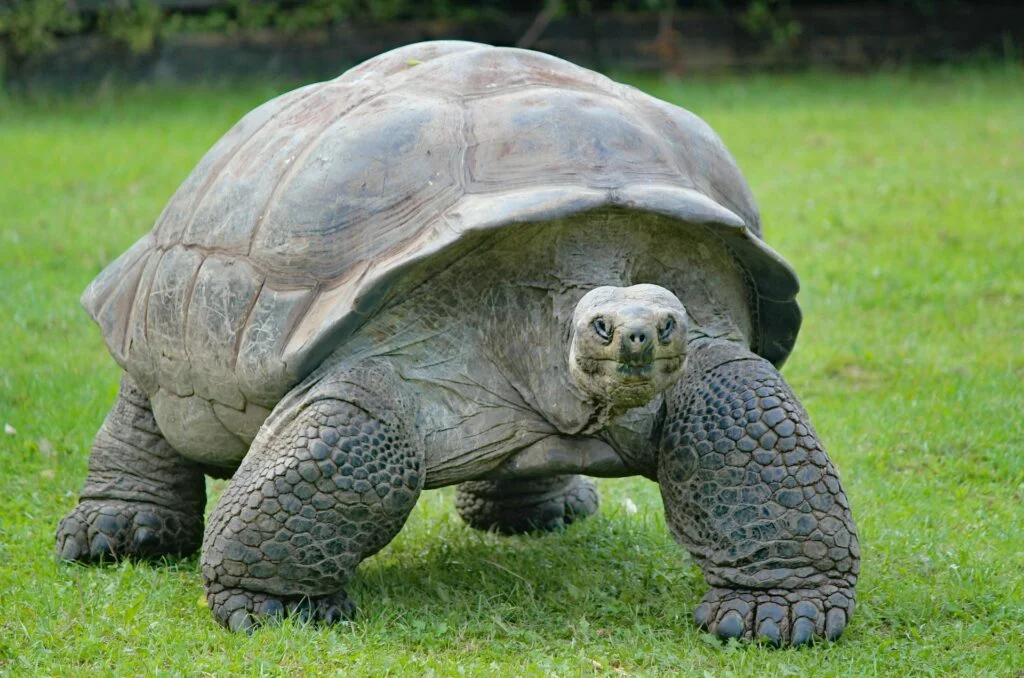
Recognizing the signs of a healthy tortoise is only half the battle; maintaining that state requires dedicated, consistent husbandry. Here are the core pillars of excellent tortoise care.
1. Provide a Spacious, Enriching Habitat
Tortoises are wanderers by nature. Glass aquariums are almost always too small and have poor ventilation, which can lead to respiratory issues. Furthermore, tortoises do not understand the concept of glass and will stress themselves out endlessly trying to walk right through it.
Opt for a large, opaque enclosure, such as a wooden tortoise table or a dedicated indoor/outdoor pen. Provide a deep layer of organic substrate (like a mix of topsoil and coconut coir) so they can engage in natural digging behaviors. Add visual barriers like rocks, logs, and safe plants so the tortoise cannot see from one end of the enclosure to the other; this makes the space feel larger and provides necessary mental stimulation.
2. Master the Microclimate (Lighting and Heating)
Because they cannot generate their own body heat, your enclosure must provide a temperature gradient. This means having a hot basking area on one end and a cooler ambient zone on the other, allowing the tortoise to move back and forth to regulate its temperature.
Crucially, tortoises require high-quality UVB lighting to synthesize Vitamin D3, which allows them to absorb calcium from their diet. Without UVB, their shells and bones will soften, leading to fatal Metabolic Bone Disease. Remember that UVB bulbs degrade over time and must be replaced every 6 to 12 months, even if they still appear to be emitting visible light.
3. Feed a Species-Appropriate Diet
Dietary needs vary wildly among tortoise species. Mediterranean and African species (like Russian, Hermann’s, and Sulcata tortoises) require a high-fiber, low-protein, and extremely low-sugar diet consisting primarily of broadleaf weeds, grasses, and safe blossoms. Feeding them fruit can cause severe gastrointestinal distress.
Conversely, tropical forest species (like Red-Footed tortoises) need higher humidity and require a more varied diet that includes a moderate amount of fruit and even occasional animal protein. Always research the specific, natural diet of your exact species and dust their food with a high-quality calcium supplement.
4. Keep Hydration a Priority
There is a persistent myth that tortoises get all the water they need from their food. This is false. All tortoises need access to fresh, clean drinking water provided in a shallow, low-sided dish they can easily climb into.
Additionally, soaking your tortoise in shallow, lukewarm water for 15–20 minutes once or twice a week is an excellent way to ensure they are adequately hydrated. Soaking also encourages regular bowel movements and keeps their skin and shell in top condition.
Keep Your Tortoise Happy With the Right Food and Supplements
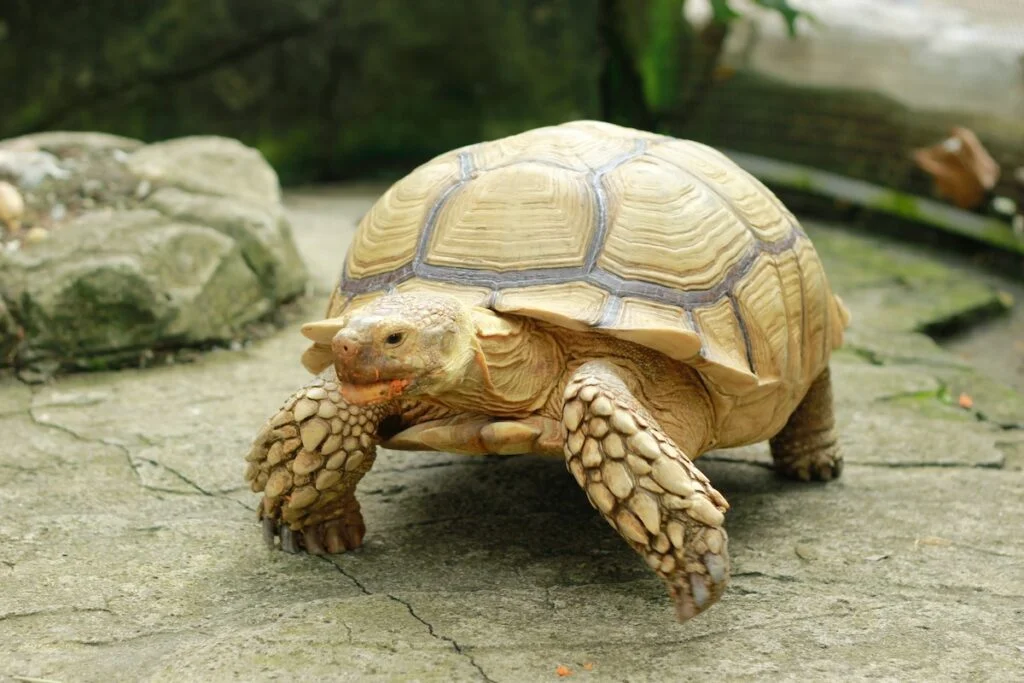
Keeping a tortoise is a unique and incredibly rewarding journey. Because many species can live for 50 to over 100 years, welcoming a tortoise into your home is truly a lifetime commitment.
By observing their behaviors—from the clarity of their eyes to the depth of their relaxation during a good bask—you can ensure your ancient companion is living a life full of vitality and comfort. Providing the right diet, a spacious habitat, and optimal lighting requires effort, but seeing your tortoise thrive makes every bit of that effort worthwhile.
If you want to guarantee your tortoise is getting the highest quality nutrition to keep them happy and healthy, it’s essential to source their food and supplements from experts who truly understand reptile husbandry.
Kapidolo Farms specializes in providing top-tier, species-appropriate dietary staples, calcium supplements, and safe forage designed specifically for the long-term health of your tortoise. To give your shelled friend the vibrant life they deserve, reach out to Kapidolo Farms today at 215-483-7675 or send an email to kapidolofarms@gmail.com to discuss your specific dietary needs.